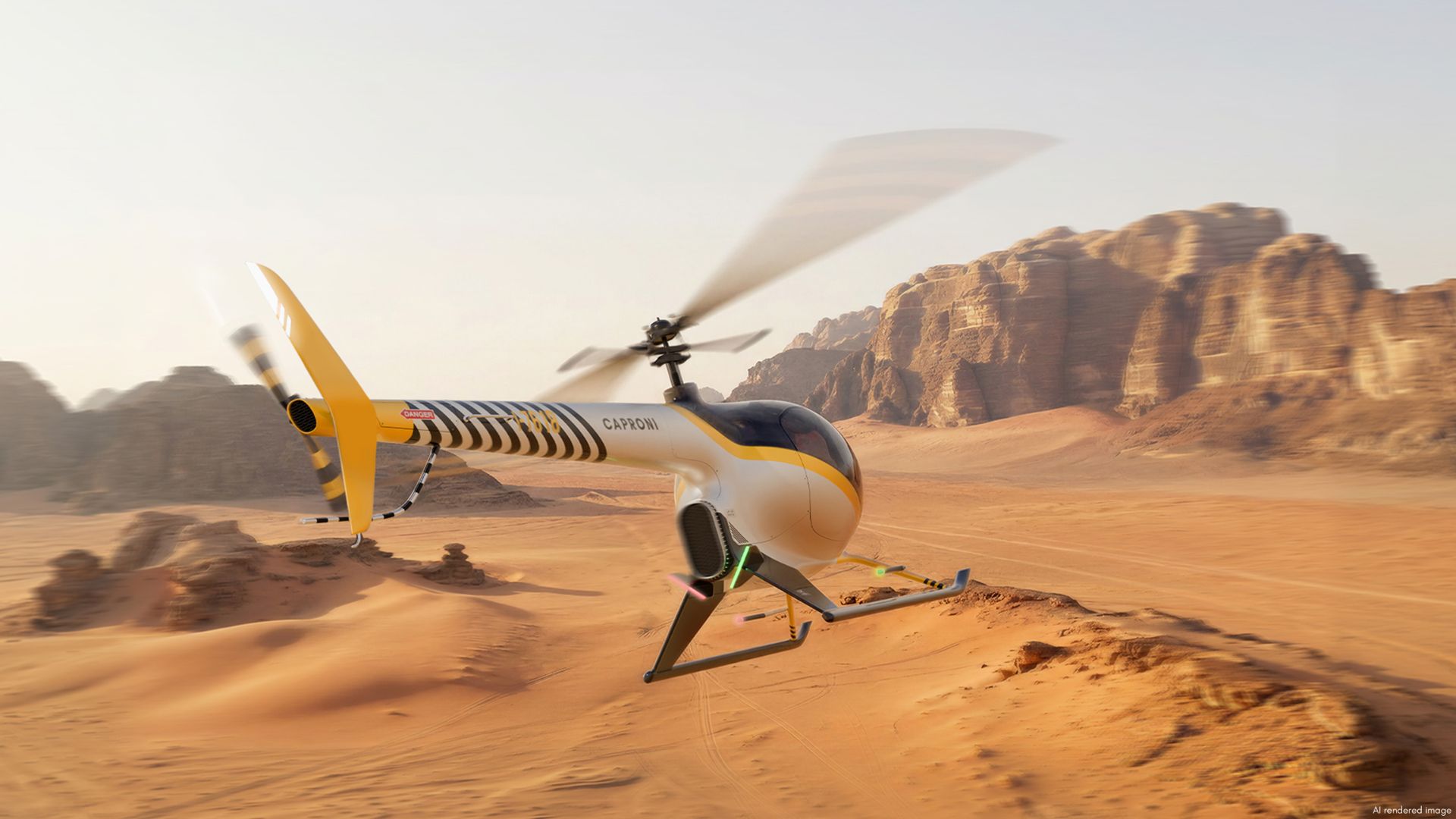
There are aircraft that try to impress you instantly and then there are those that take a moment to register but stay with you far longer. The Caproni Vortice concept designed by the CAMAL STUDIO belongs to the latter. At first glance, it feels almost too simple. A smooth bubble, a slender tail, a form that avoids the visual drama typically associated with aviation. But spend more time with it, and that simplicity reveals itself as something far more deliberate.
Designed by CAMAL Studio, the official design centre behind the project, the Vortice reflects a clear shift toward a more product-driven approach to aviation. It prioritises form, clarity, and emotional impact alongside engineering. This is not a helicopter designed to showcase complexity. It is one designed to question whether that complexity is needed at all.
From Machine to Form: Where the Design Begins
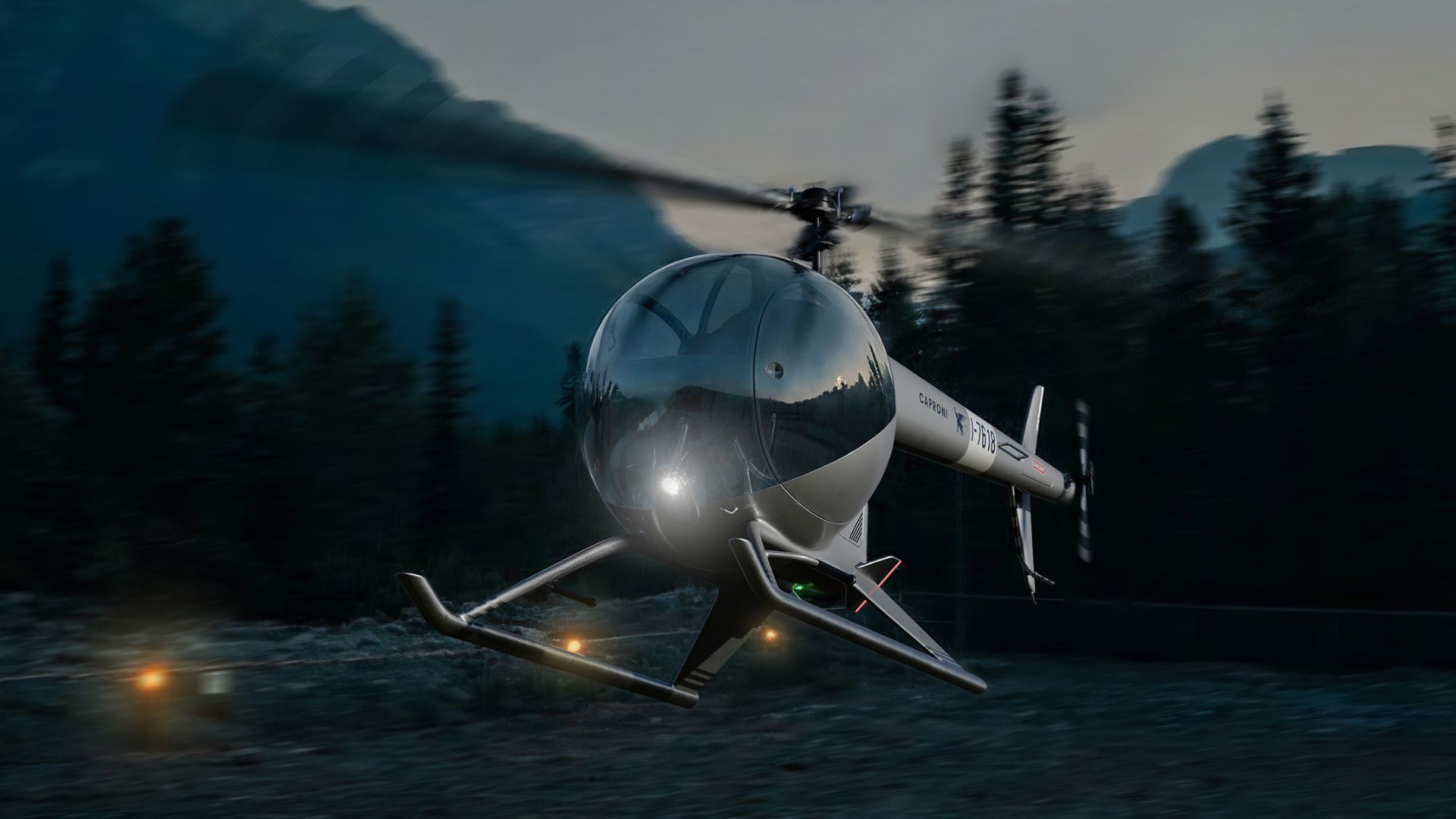
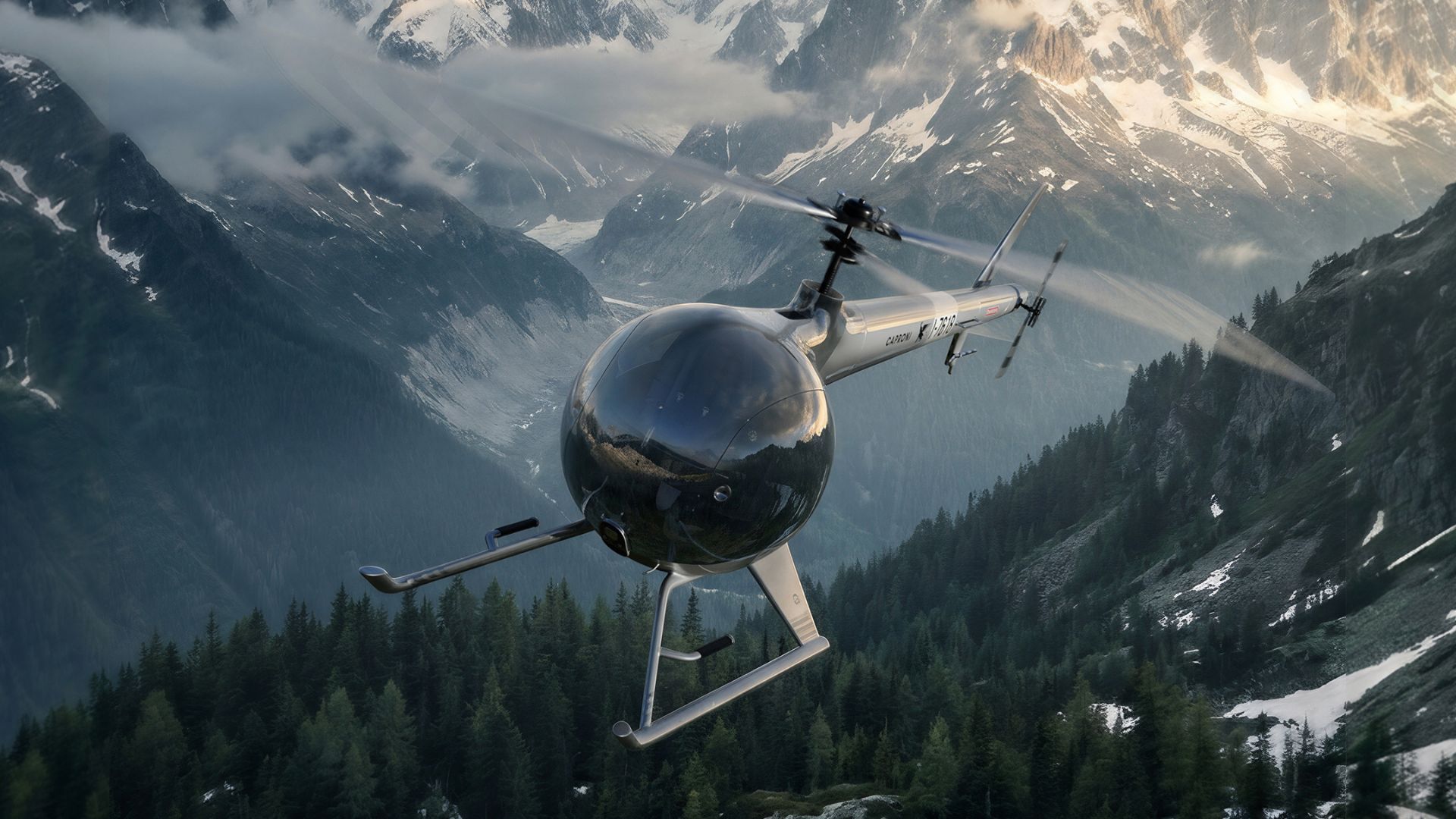
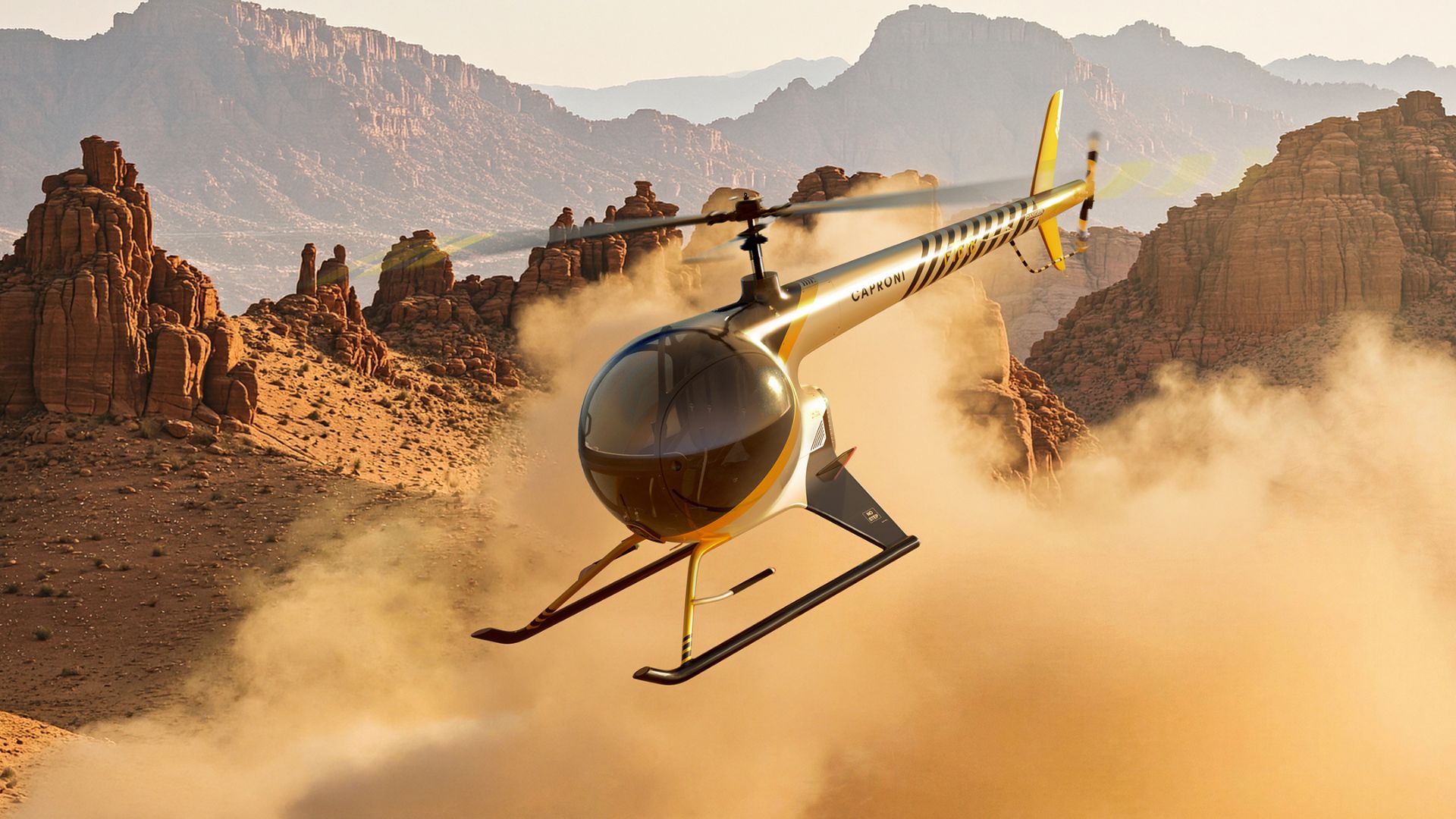
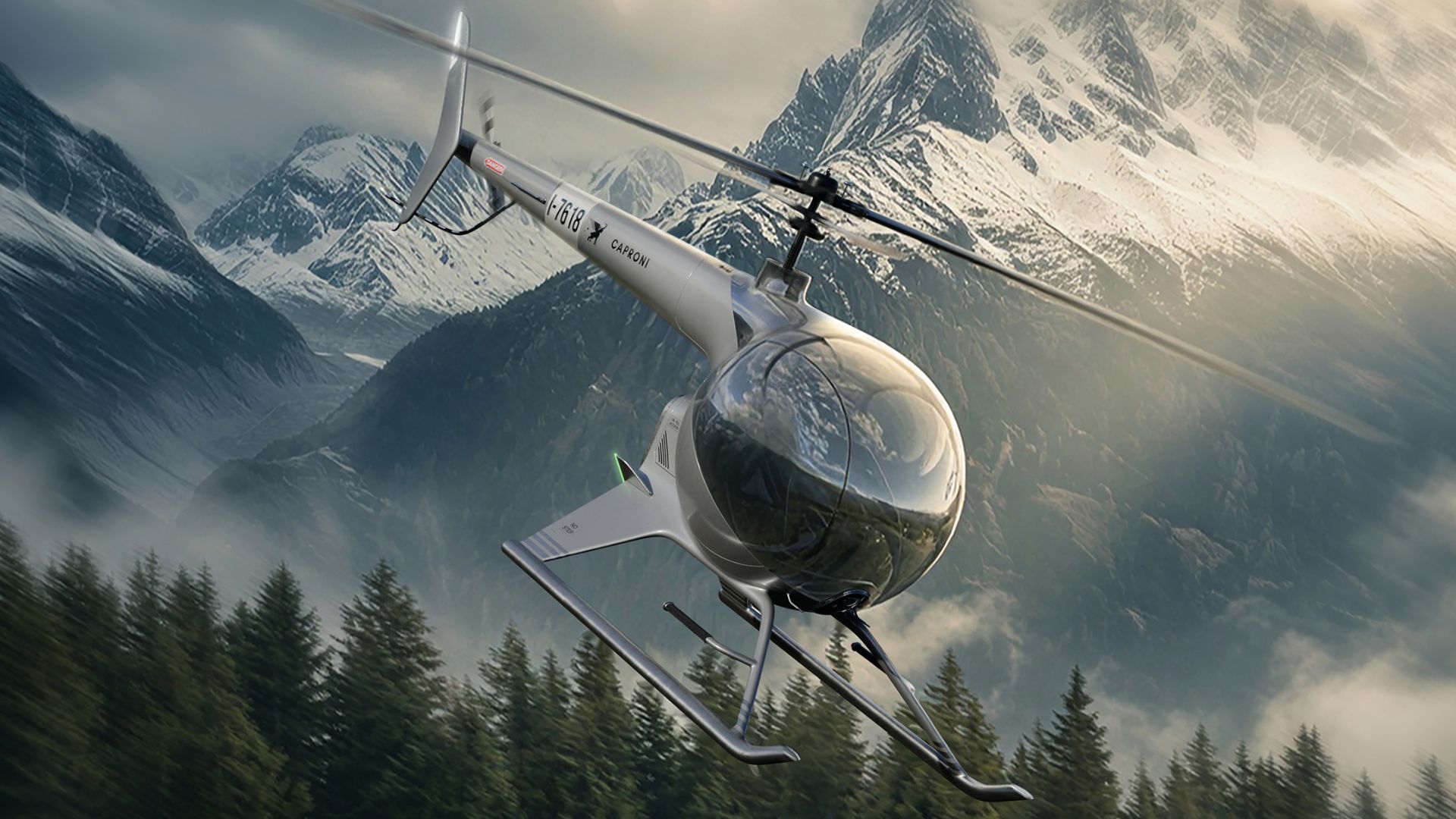
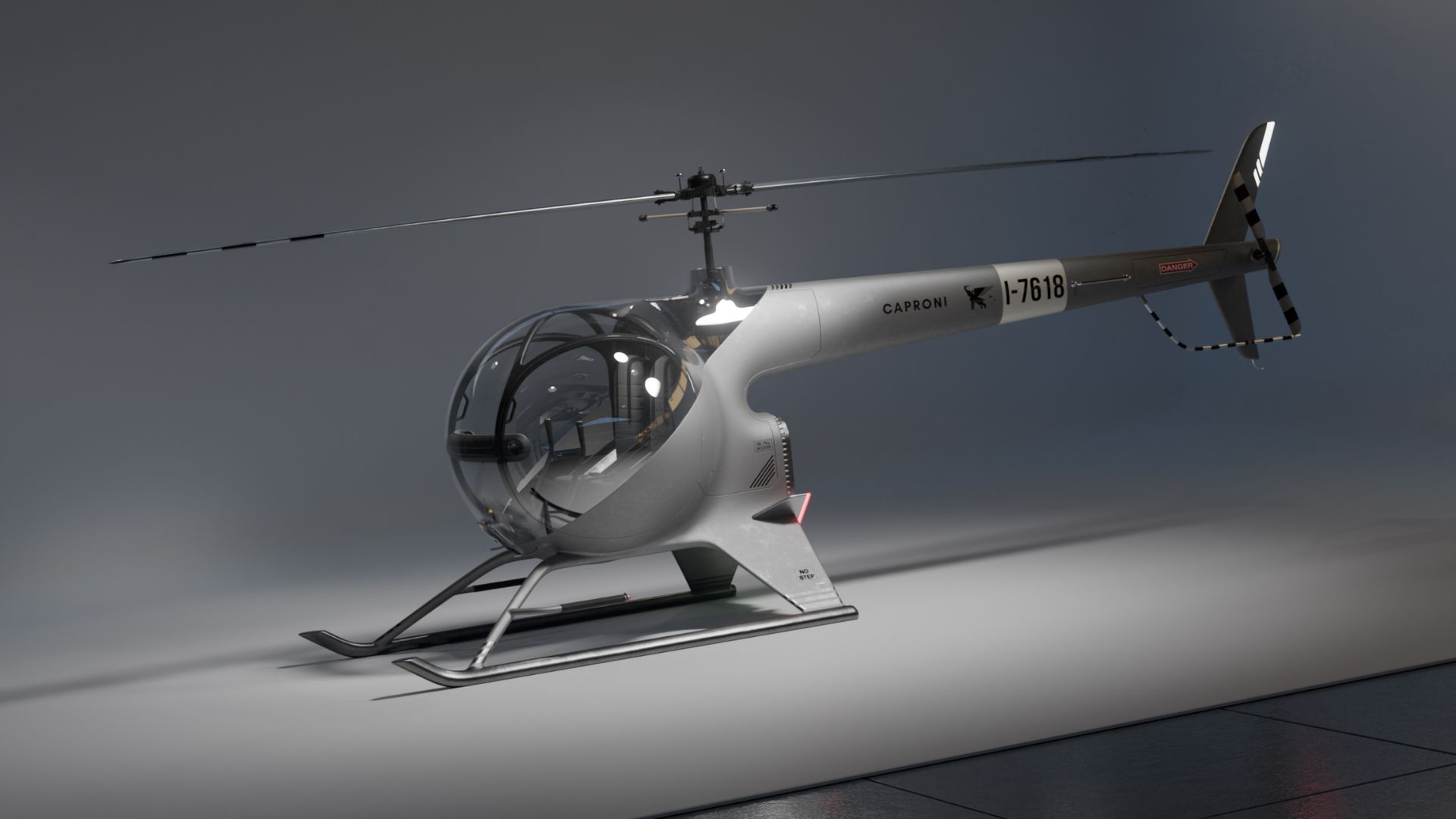
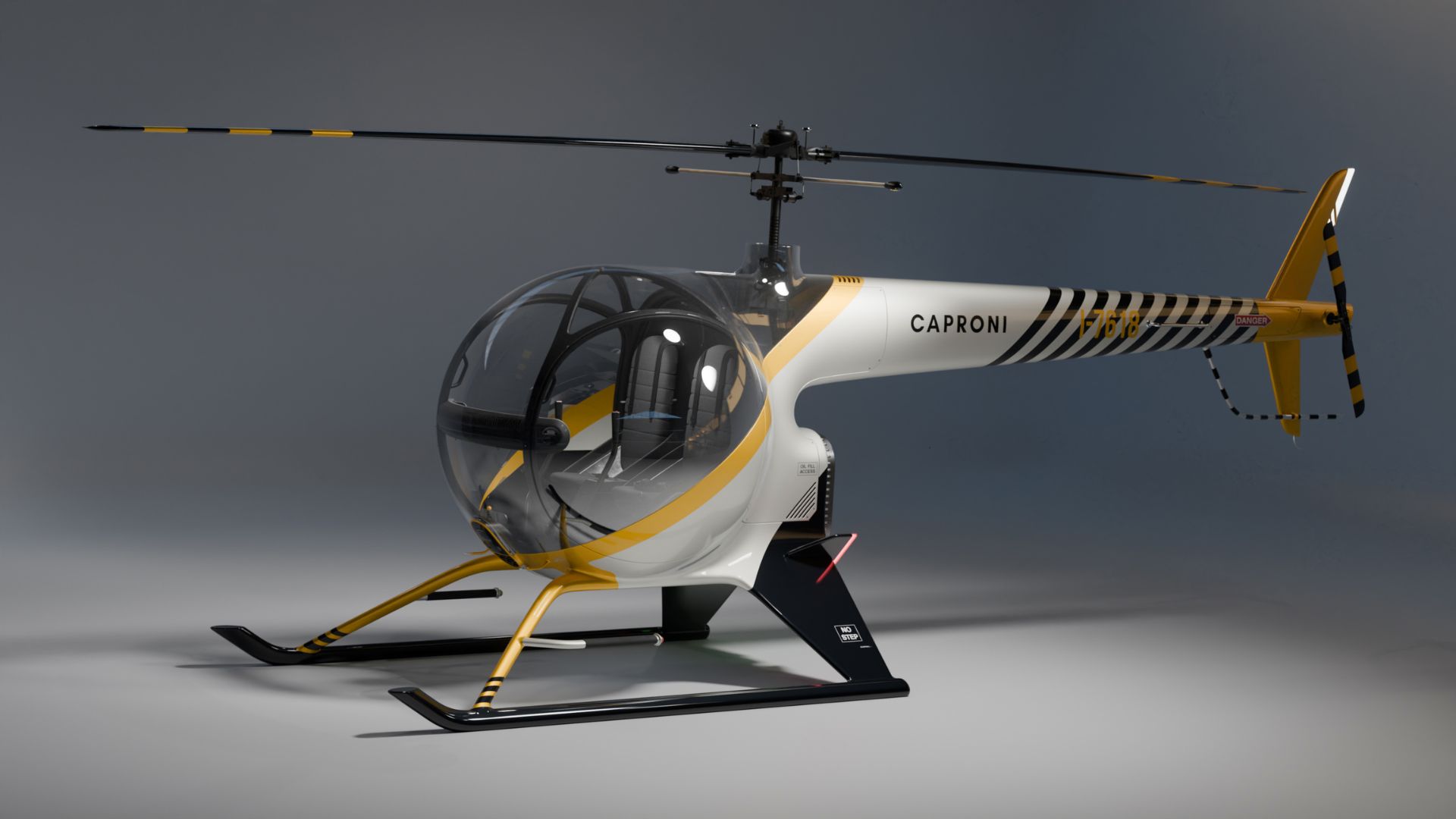
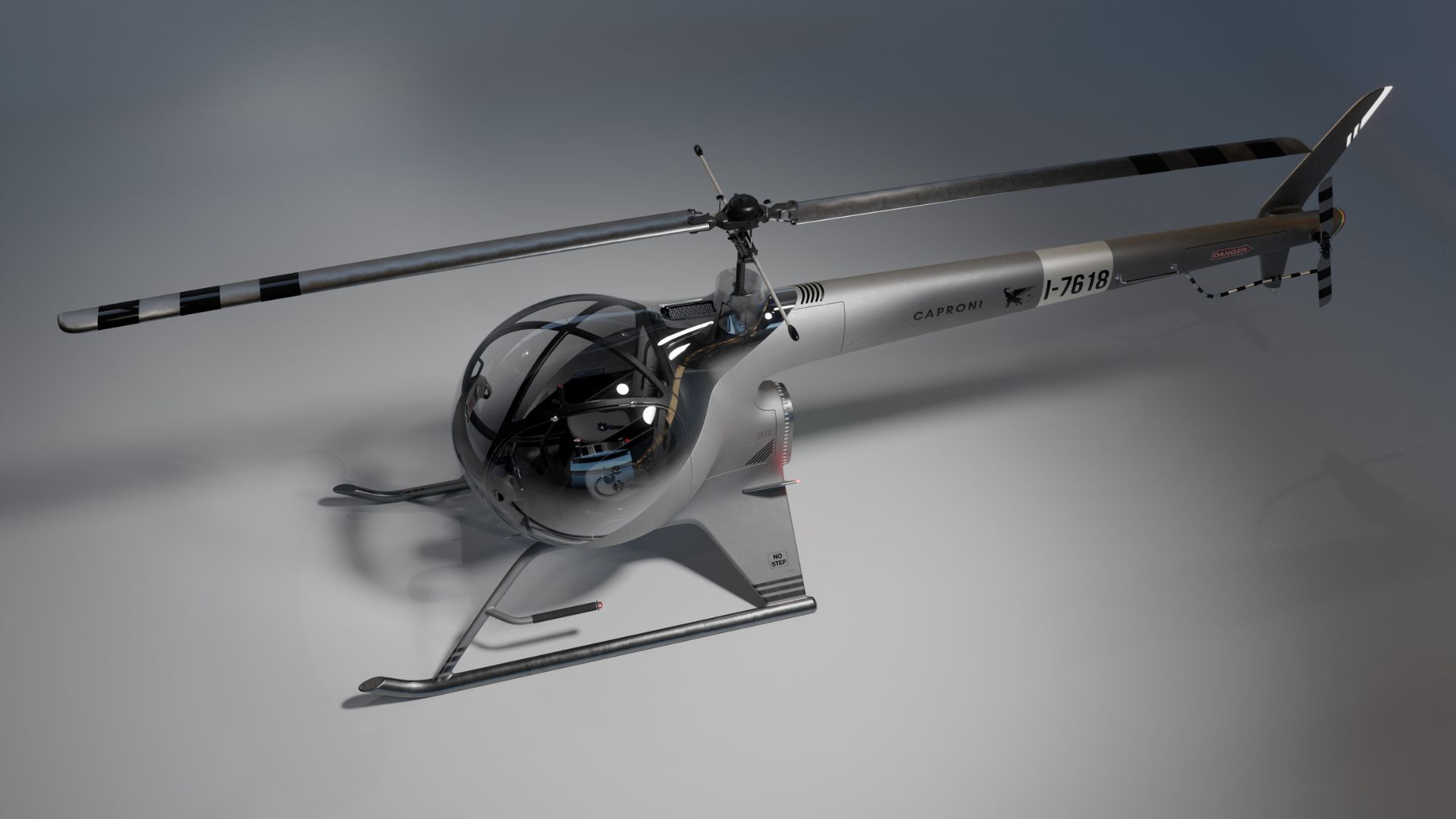
What makes the Vortice compelling is not just how it looks, but how clearly it is constructed as an idea. The design is rooted in two primary volumes; one is a spherical cabin and second is a semi-toroidal tail which define the entire architecture of the aircraft. In profile, this reads as a single, uninterrupted gesture. The transition from cabin to tail is seamless, almost too seamless. There are no competing lines, no layered surfaces, no visual breaks to anchor the eye which is very rare in helicopter design. And that is both its strength and its weakness.
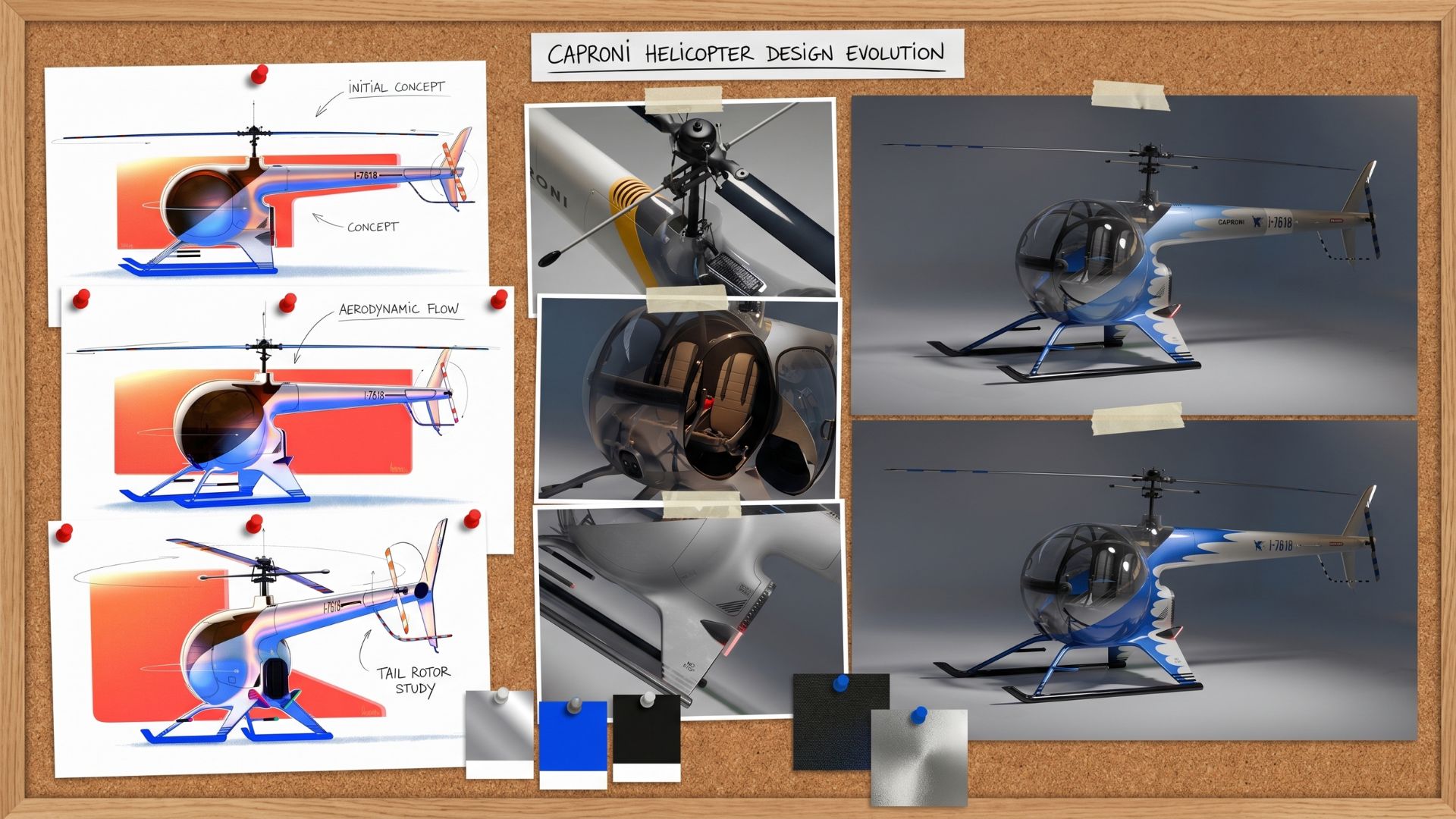
The commitment to pure geometry gives the Vortice clarity, but it also removes hierarchy. The rear section feels visually underdeveloped compared to the strong presence of the cabin. What begins as disciplined minimalism occasionally slips into over-simplification.
The Canopy That Takes Over the Design
If the geometry defines the structure, the canopy defines the identity. The fully glazed spherical cabin is cut diagonally, extending the transparent surface toward the rear while exposing elements of the internal structure. It’s a smart move. Without this intervention, the design would risk feeling too sealed, too perfect. The cut introduces tension, revealing just enough of the mechanical layer beneath to ground the concept in reality. At the same time, it reinforces something else: this is a design driven as much by perception as by engineering which is a trait often seen in automotive-led studios.
When you deeply observe the design, you get a feeling that canopy overwhelms everything around it. From almost every angle, it dominates the visual narrative, reducing the rest of the aircraft to a supporting role. The fuselage and tail, despite their careful execution, struggle to match its presence. This imbalance makes the design feel front-heavy which is strong in identity, but uneven in composition. As the eye moves away from the canopy, the rest of the body reinforces the same philosophy but in a quieter and more controlled way. There are no sharp creases, no aggressive highlights, no attempt to artificially create dynamism. Every surface is softened, blended, and carefully managed. Functional elements like intakes, access panels, lighting are present, but deliberately understated. This is where CAMAL Studio’s design influence becomes most visible. The handling of surfaces, the restraint in detailing, and the reliance on proportion over decoration all point toward a design approach rooted in automotive thinking which gives the aircraft a calm and product-like feeling.
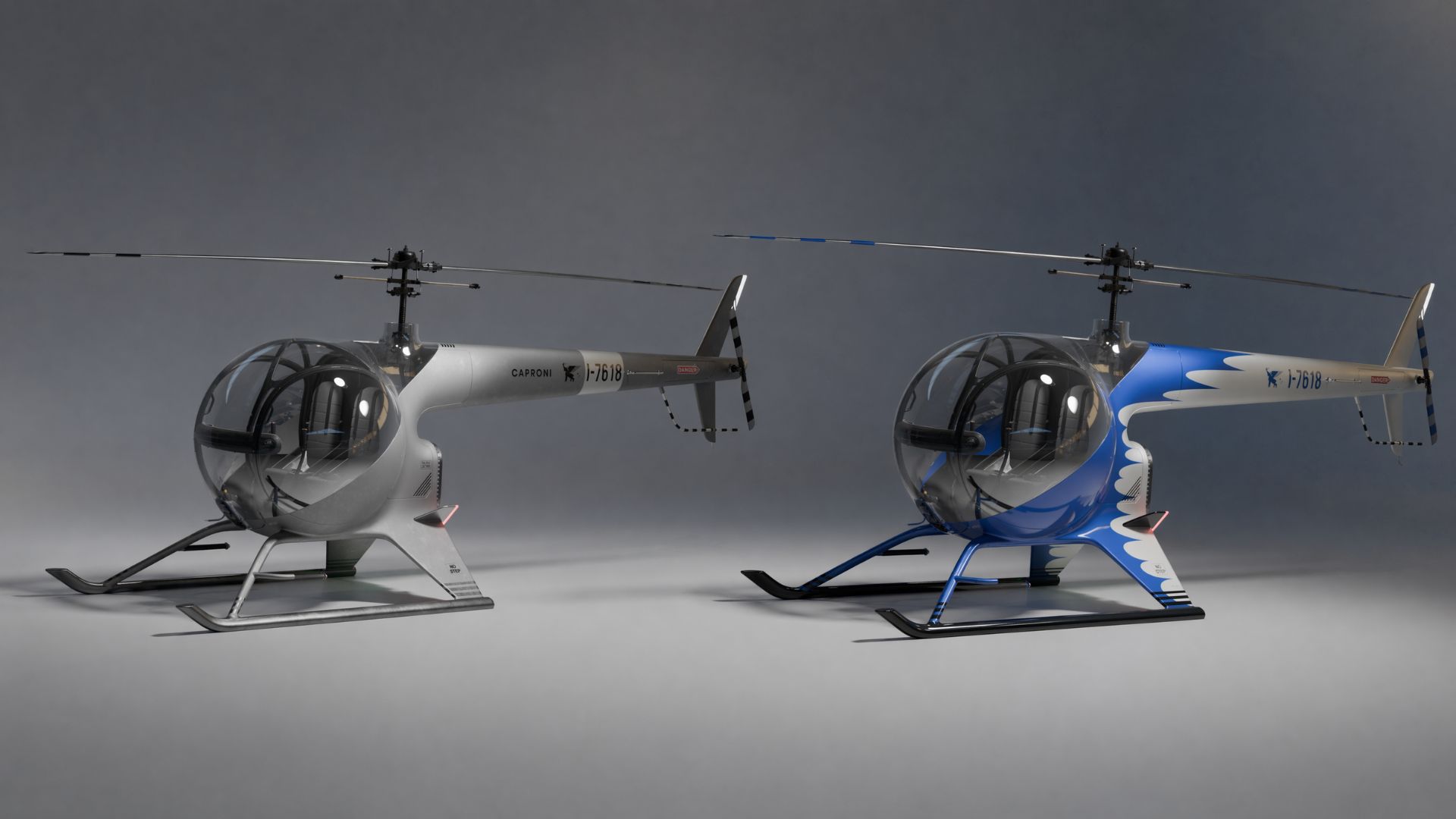
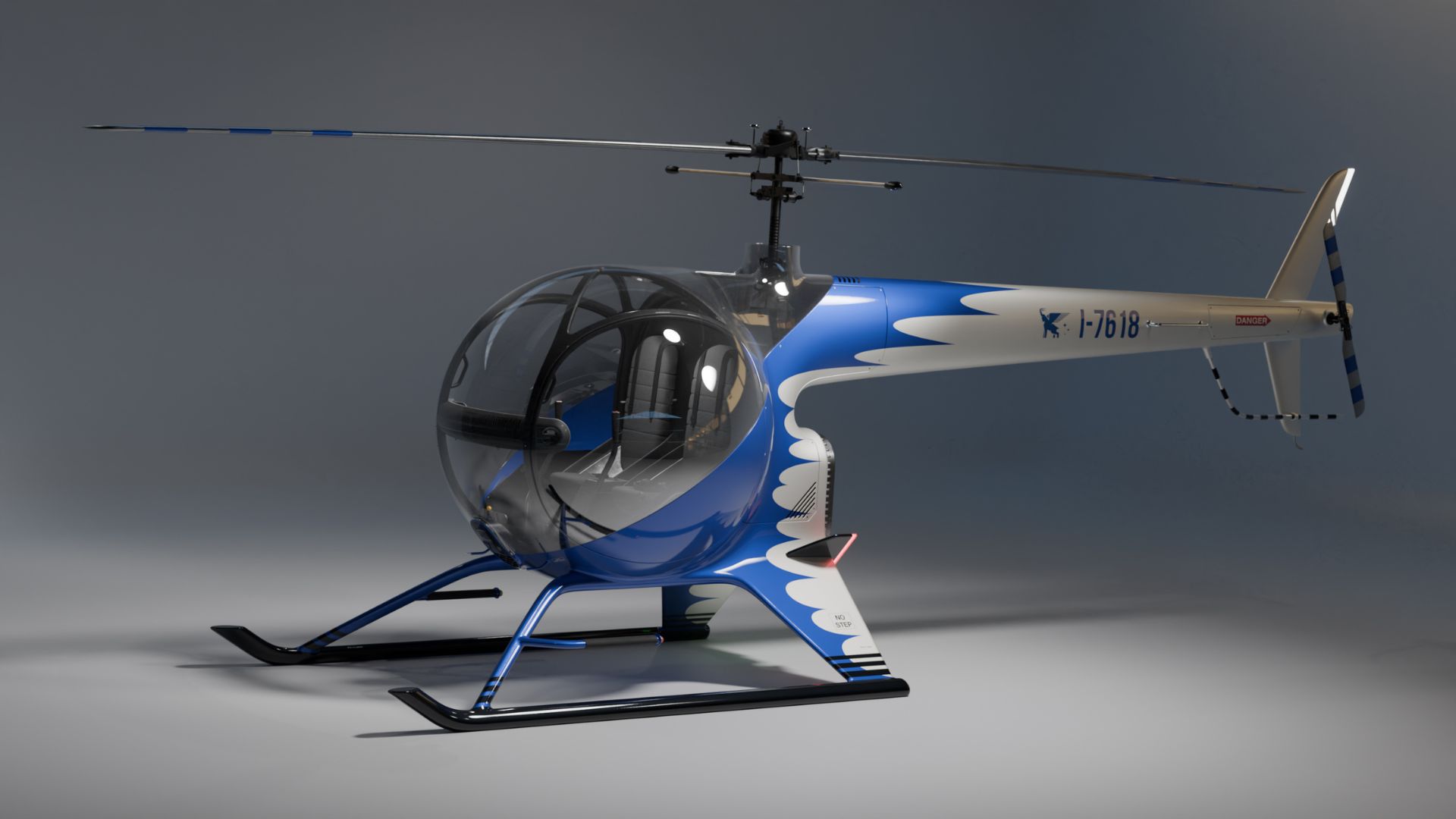
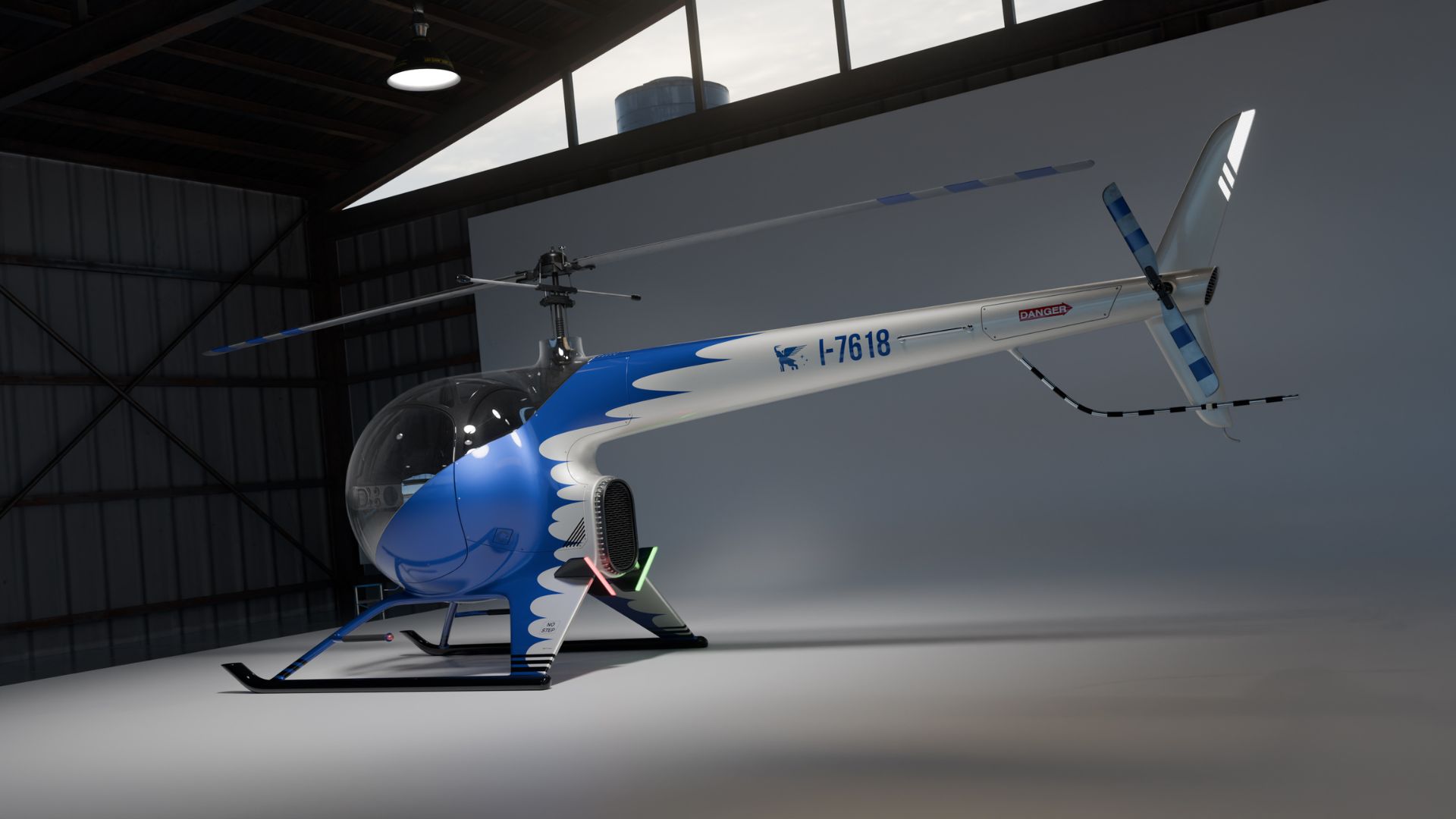
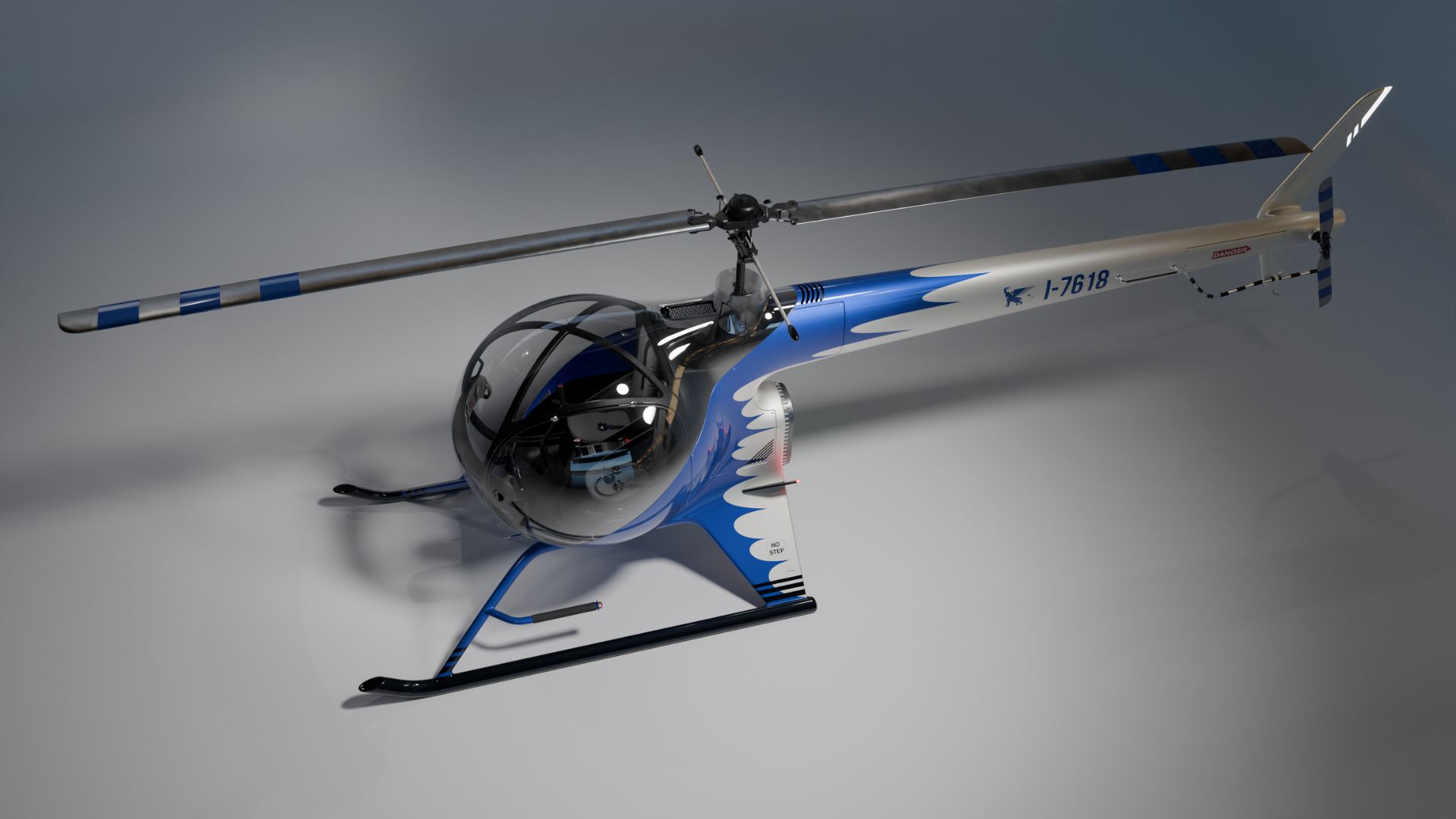
But in stripping away complexity, the design also strips away tension. The fuselage is elegant, but emotionally flat. It doesn’t communicate purpose with the same clarity that more mechanical, exposed designs often do. Instead, it relies almost entirely on proportion and surface purity to hold attention and that’s a demanding strategy that doesn’t always fully succeed.
Interior: Logical, Clean and Slightly Too Safe
That same sense of control continues inside the cabin, but here it shifts from visual clarity to operational logic. The interior is organised around usability. Controls are grouped according to sequence of use, with pre-flight systems on one side, lighting and warning functions on the other, and a central circular display acting as the primary interface.
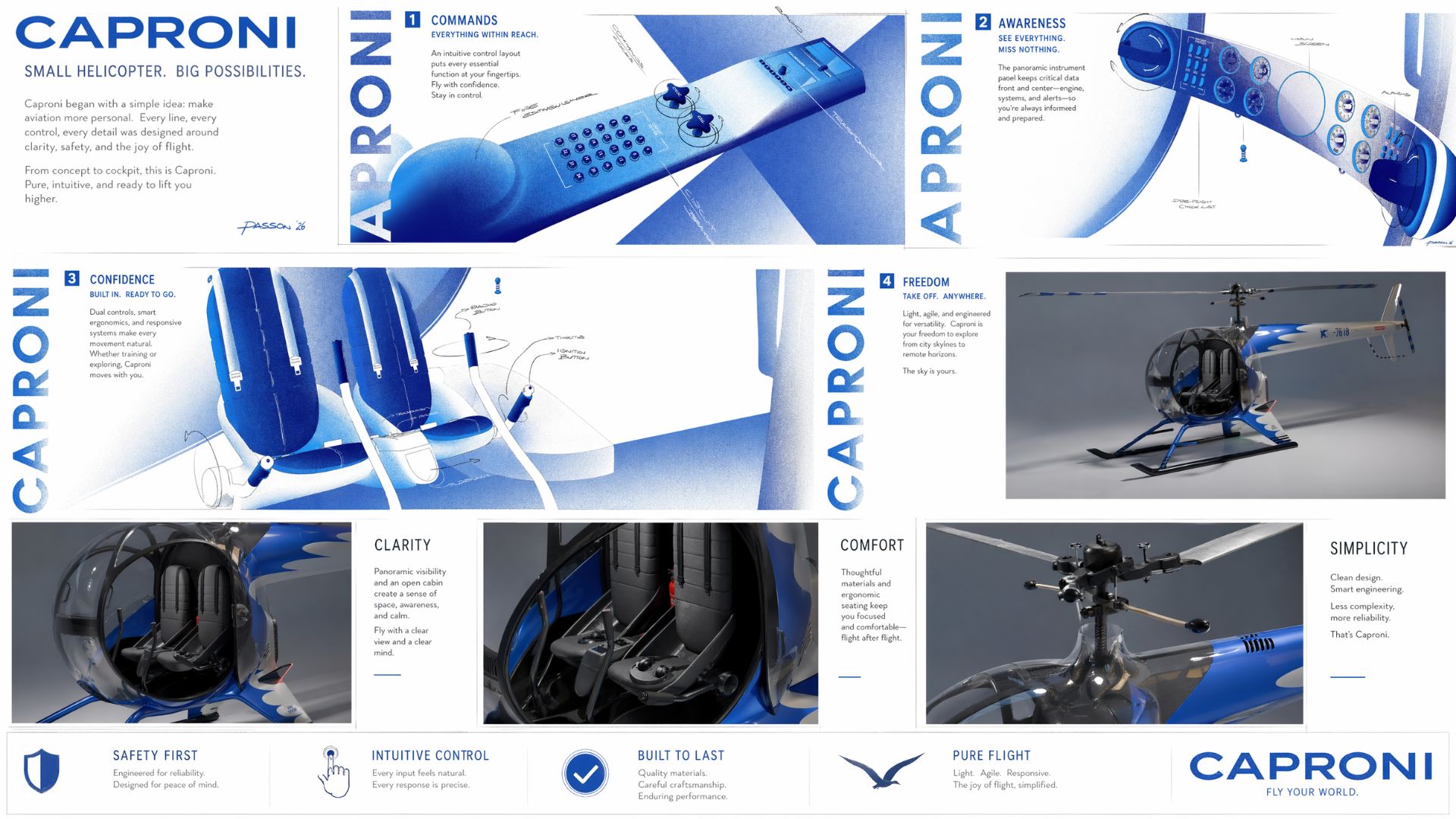
The repositioned controls open up the central space, making the cabin feel more accessible and less cluttered. It’s a thoughtful layout, kudos to the design team as it prioritises clarity over complexity. But this is also where the design becomes overly cautious. The interior feels resolved, but not expressive. It performs well, yet it lacks the confidence of the exterior. For a concept that pushes so strongly on redefining aviation aesthetics, the cabin plays it safe.
Engineering That Supports the Design
You might feel that Vortice’s design is detached from engineering in fact it is supported by it. Positioned as an ultralight turbine helicopter, it features a 200 HP engine with performance figures that align with real-world usability. The turbine is arranged parallel to the rotor shaft, reducing bulk and helping maintain the compact proportions that define the exterior. Furthermore, composite materials reinforce both physical and visual lightness. This alignment between engineering and design is one of the concept’s strongest aspects. Nothing feels forced and it can be stated that the technical decisions don’t fight the form, they enable it.
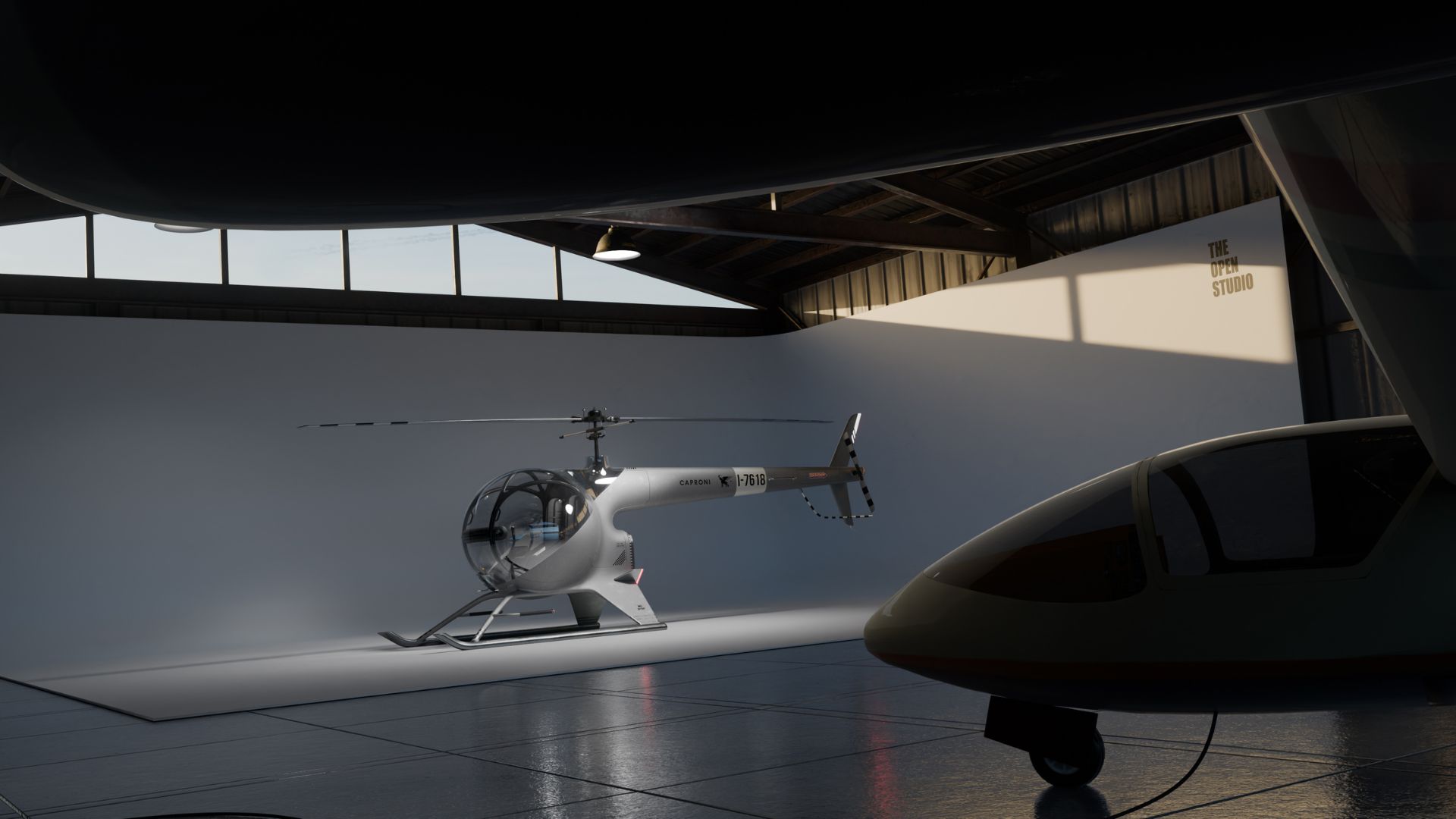
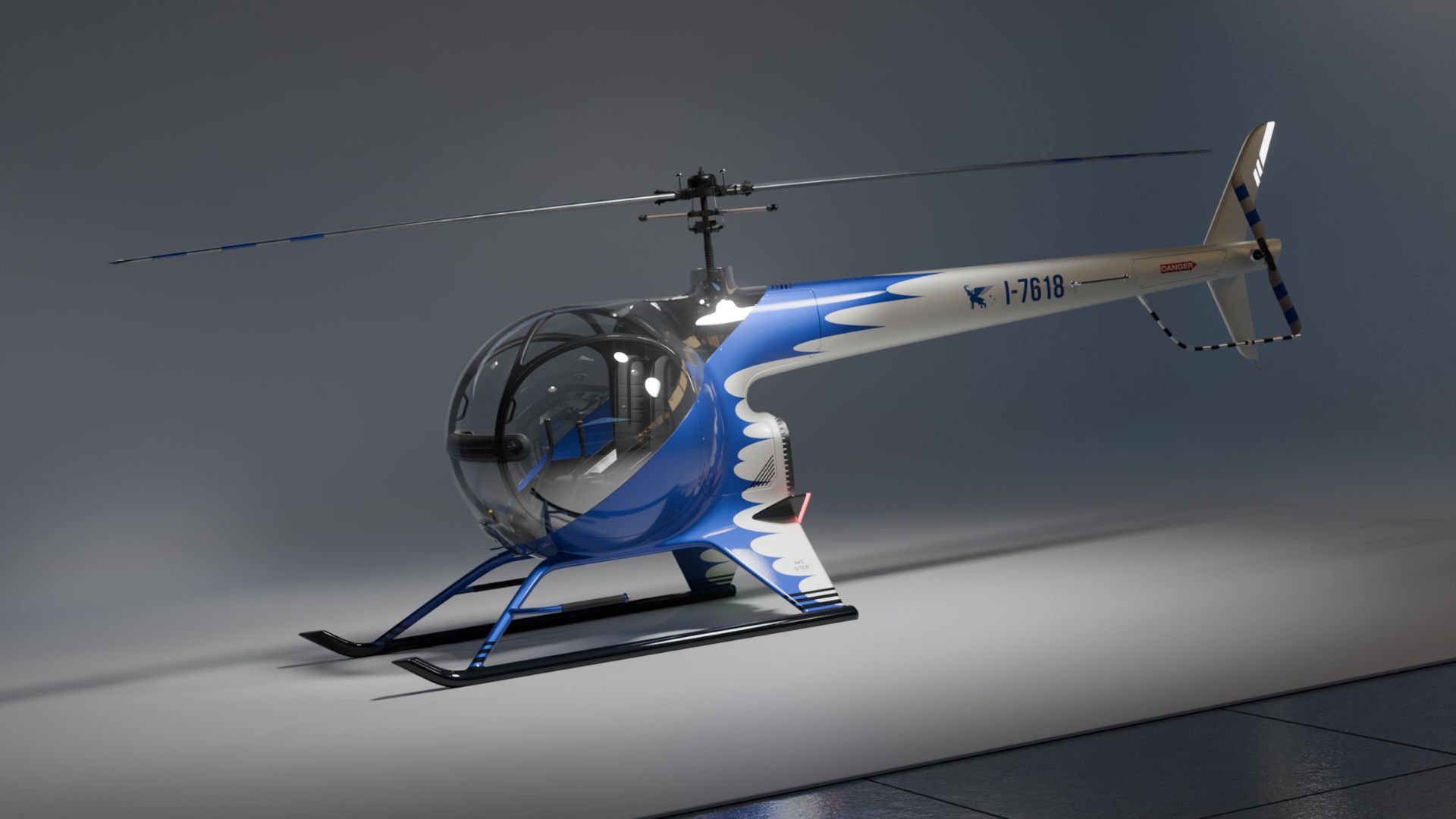
The Caproni Vortice is a confident piece of design thinking. Its geometry is clear, its surfaces are disciplined, and its relationship with engineering is well considered. But it also exposes the limits of its own philosophy. The front half feels designed with intent, but the rear feels resolved rather than explored. The canopy creates identity but the rest of the aircraft struggles to match it. The exterior challenges convention but the interior retreats into safety. The Vortice is not trying to deliver a final answer. It is testing a direction. One where aviation moves away from visual complexity and toward something more refined, more controlled, and more approachable.
What do you think?