Peugeot Concept 6 and Concept 8 reveal a clear shift in the brand’s design philosophy, moving away from aggressive styling towards a more restrained and minimalist approach. The Concept 6 stands out with its strong proportions and shooting brake-inspired silhouette, while the Peugeot Concept 8 takes a more conventional SUV direction. Both concepts highlight Peugeot’s focus on clean surfacing, simplified front design, and strong rear lighting identity, although they also expose areas where minimalism risks lacking depth. Together, they signal Peugeot’s ambition to redefine its position in the evolving electric vehicle design landscape.
A Quiet Rebellion Against a Loud Industry
Step into any modern motor show and the experience feels almost predictable. Every car demands attention instantly through aggressive lighting, complex surfacing, and an overload of visual signals designed to stand out in a matter of seconds. For a moment, it works. But walk a little further, and everything begins to blur into the same visual noise. It is within this context that Peugeot’s Concept 6 and Concept 8 begin to make sense. They do not attempt to compete in that space. Instead, they deliberately slow the conversation down. At first glance, they almost risk being overlooked, but spend time with them, and a different quality begins to emerge, one rooted not in spectacle, but in control.
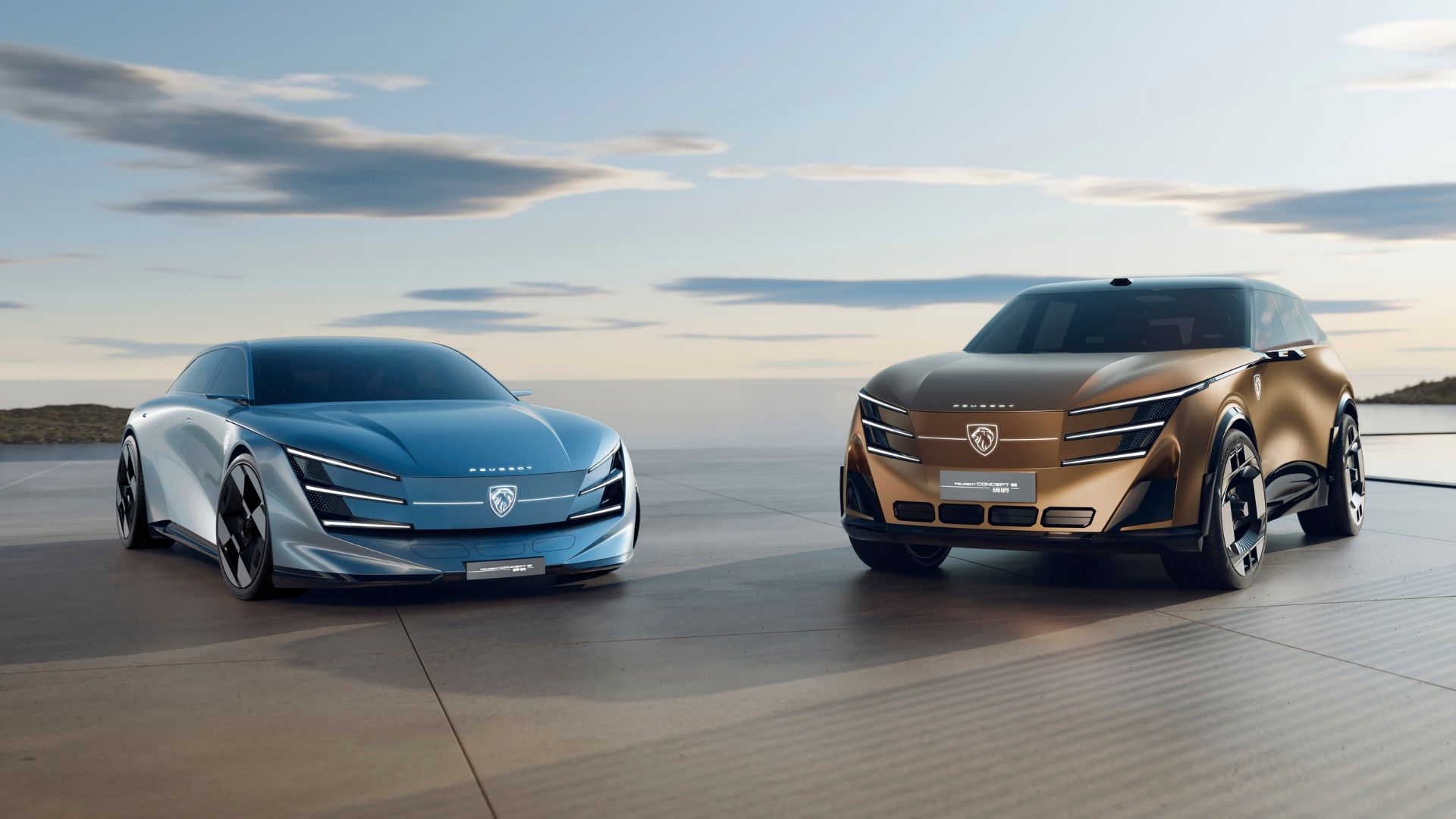
That shift is not accidental. It signals a brand that is no longer trying to prove itself through excess, but through discipline. The question, however, is whether that discipline translates into clarity or simply restraint.
Understanding the Architecture Before the Design
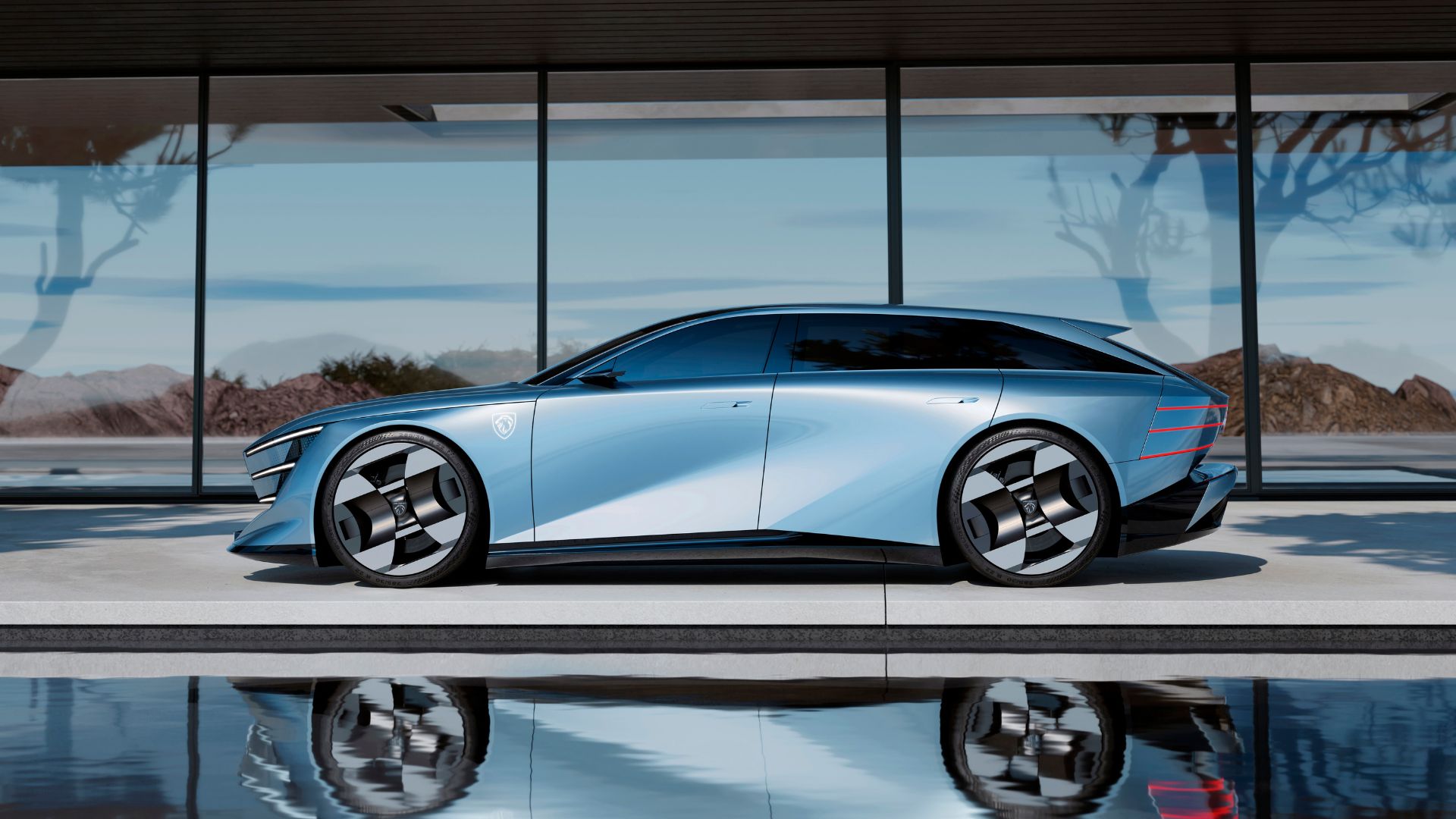
The difference becomes evident the moment you begin to read the cars through their proportions rather than their details. The Concept 6 reveals a level of architectural confidence that feels carefully considered. Its silhouette sits somewhere between a fastback sedan and a shooting brake, but unlike many attempts at blending segments, it avoids ambiguity. The extended dash-to-axle ratio gives the front volume a sense of presence that feels almost mechanical, even if the underlying platform is electric. It is a subtle illusion, but an effective one recalling a time when proportion alone could define character.
This is further reinforced by the way the cabin is treated. The greenhouse is compressed, the roofline flows without interruption, and the daylight opening remains clean and disciplined. There is a sense that nothing has been added without purpose. Yet, as the eye moves toward the rear, that confidence begins to soften. The surface dissolves rather than concludes, lacking the decisive gesture that would anchor the entire form. It is not a flaw that disrupts the design, but it is one that prevents it from fully resolving.
When viewed alongside it, the Peugeot Concept 8 feels more familiar in its intent. Its proportions are solid, its stance wide and grounded, but it operates within the expectations of its segment rather than redefining them. The relationship between the body and the wheels highlights this clearly. While the arches suggest strength, the wheels themselves do not carry enough visual weight to complete that narrative, leaving the stance feeling slightly conservative. And it is here that the distinction between the two concepts becomes clear: one explores possibility, while the other refines what already exists.
Surfacing as a Statement of Intent
This difference in ambition continues into the surfacing, where Peugeot’s design philosophy becomes most apparent. Rather than layering multiple character lines or relying on sharp intersections, both concepts adopt a more restrained approach. On the Concept 6, the body side is shaped by a single and controlled movement that allows light to define the form rather than the line itself. It is a sophisticated understanding of how surfaces behave, and it gives the car a sense of calm that is increasingly rare. However, this clarity comes with a trade-off. The absence of secondary detailing means that the surface has little to reveal beyond its primary gesture. In motion, this will likely feel refined and fluid, but in static conditions, it risks appearing underdeveloped. The design communicates intention, but not always depth.
Whereas Concept 8 introduces more volume to counter this. Its lower body and rear haunches carry additional mass, giving the surface a stronger sense of presence. Yet even here, Peugeot resists the temptation to push further, maintaining a consistent level of restraint. The result is coherent, but it raises an important question: at what point does reduction become limitation?
Identity at the Front, Confidence at the Rear
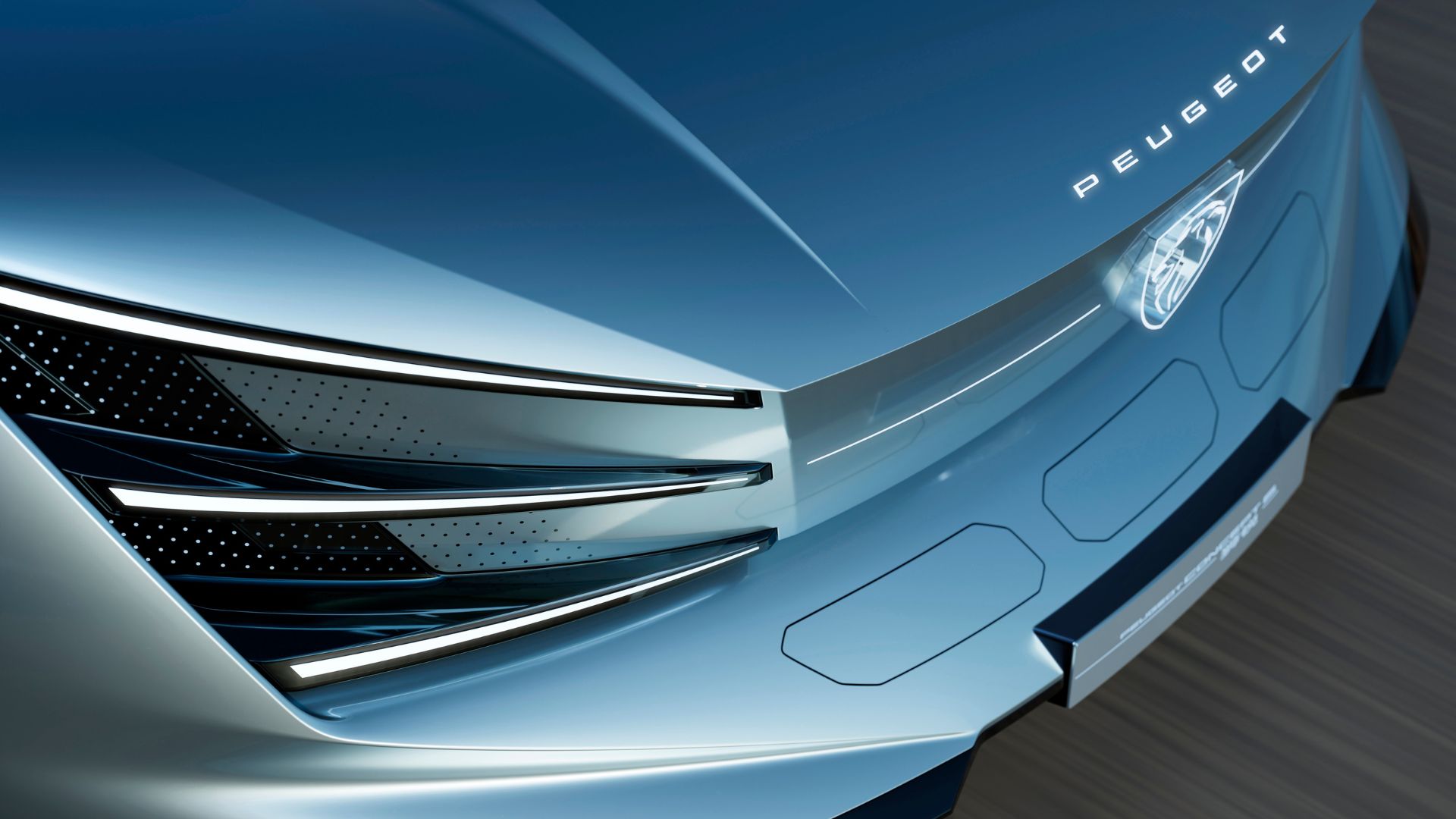
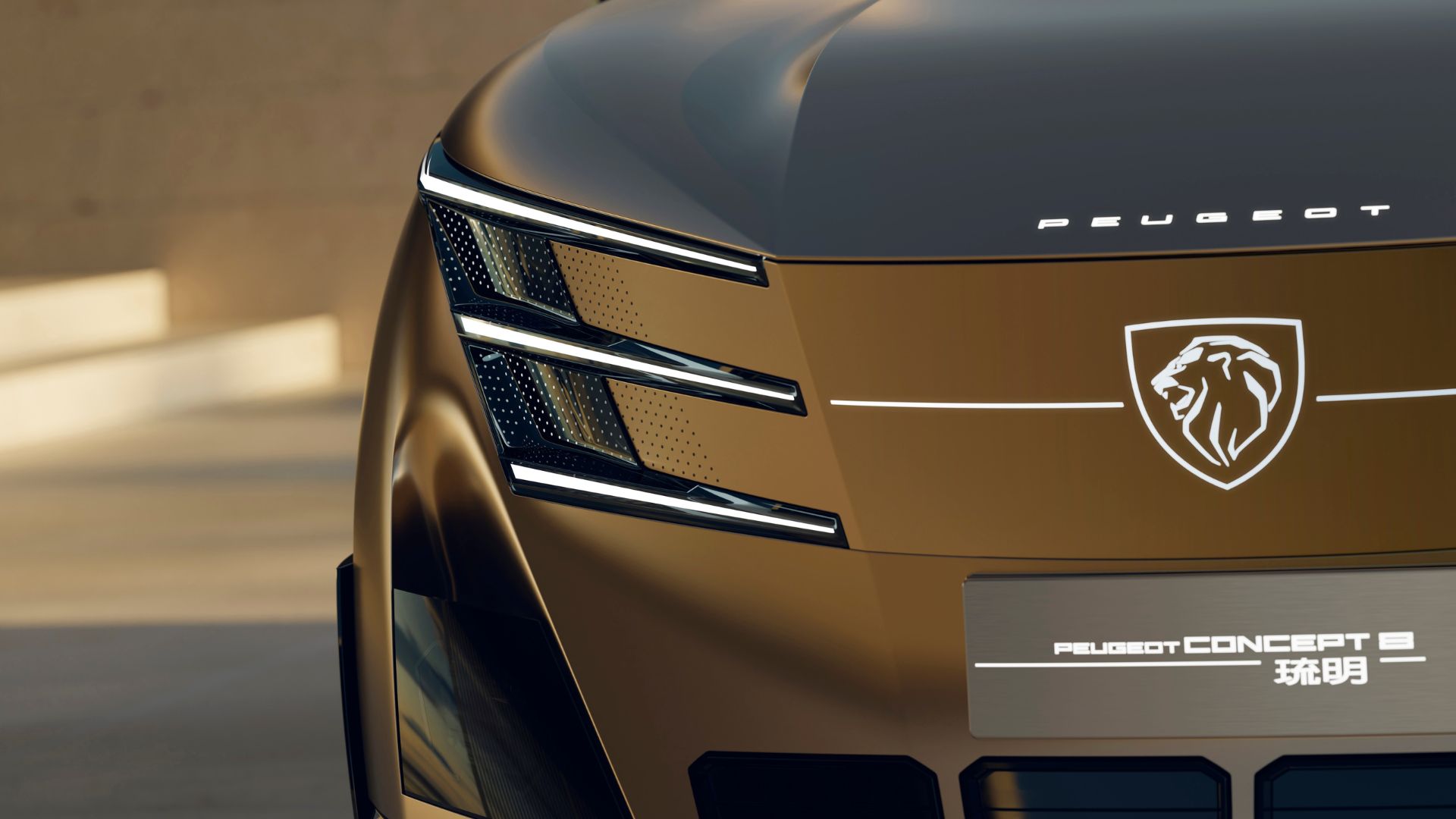
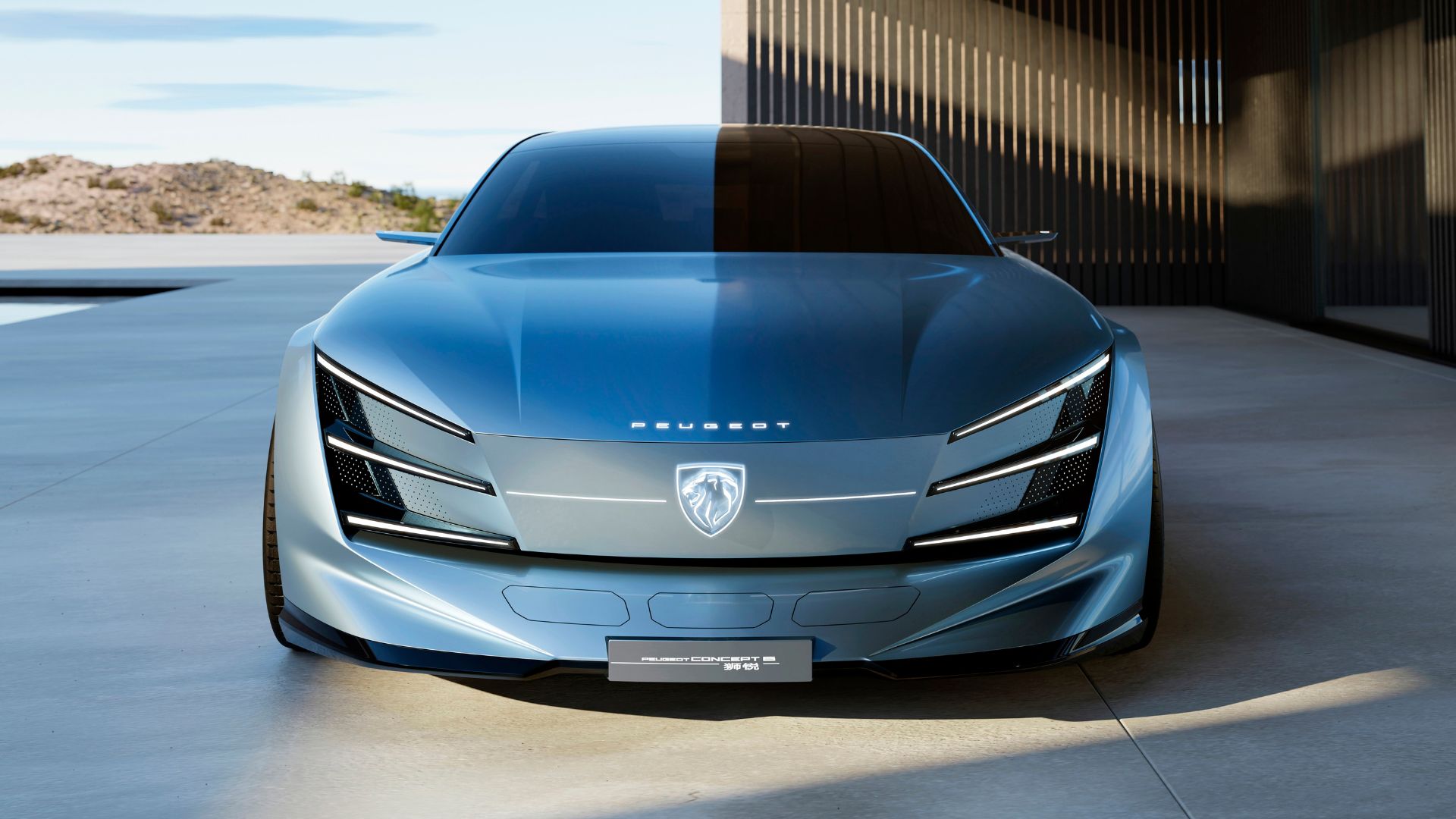
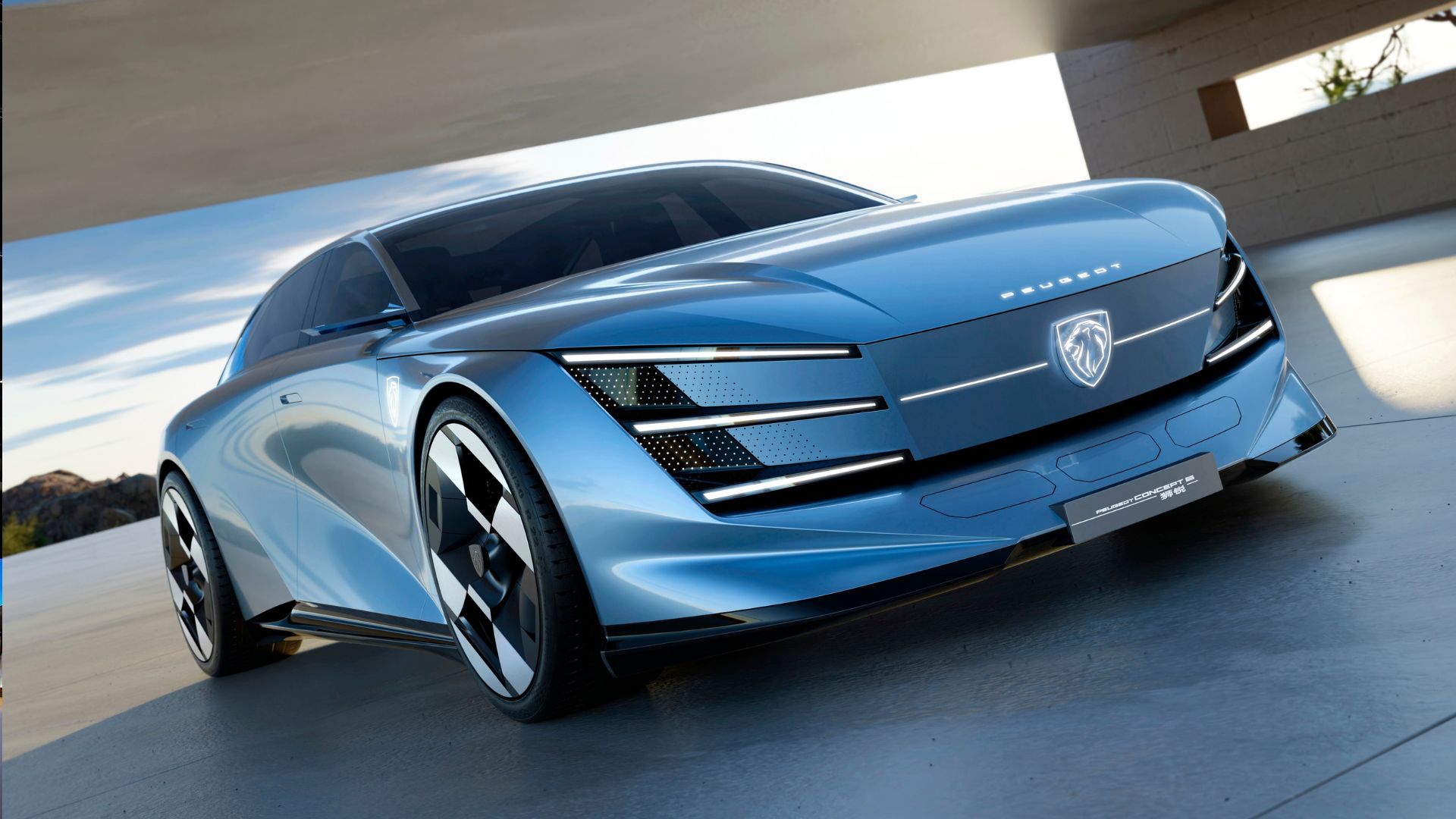
That question becomes even more relevant when examining the front of the vehicles, where Peugeot attempts its most radical simplification. The traditional hierarchy of grille, intake, and lighting has been flattened into a more unified surface. The lighting elements are reduced to thin, horizontal signatures, and the lion emblem is allowed to sit with clarity rather than compete for attention. From a distance, this creates a strong and recognisable identity that aligns with the direction many electric vehicles are taking. Yet, as we move closer, the limitations of this approach begin to emerge. The lighting elements feel more graphic than structural, appearing as applied features rather than integrated components. This reduces their sense of physical depth, making the front appear less resolved than it initially suggests.
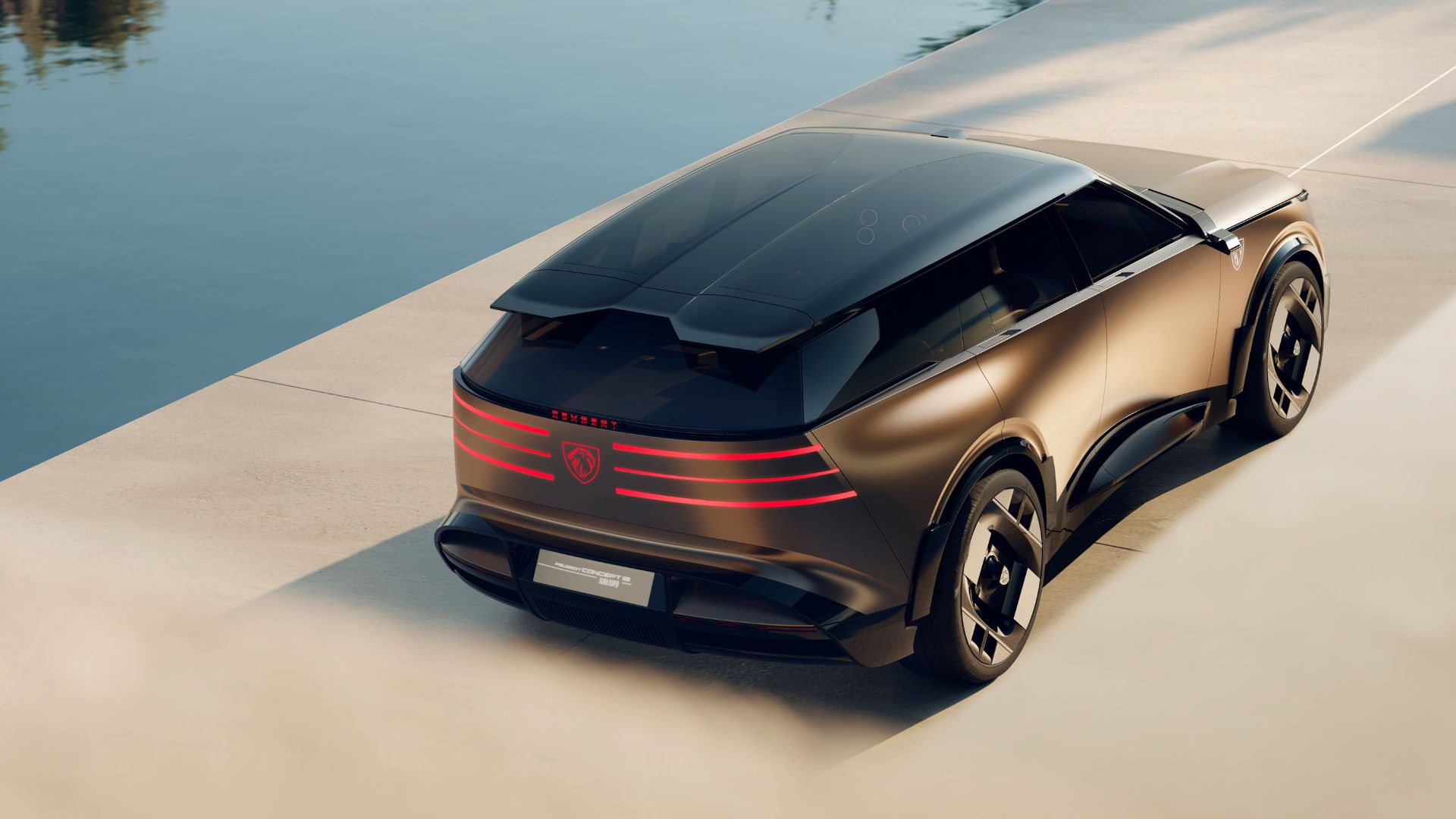
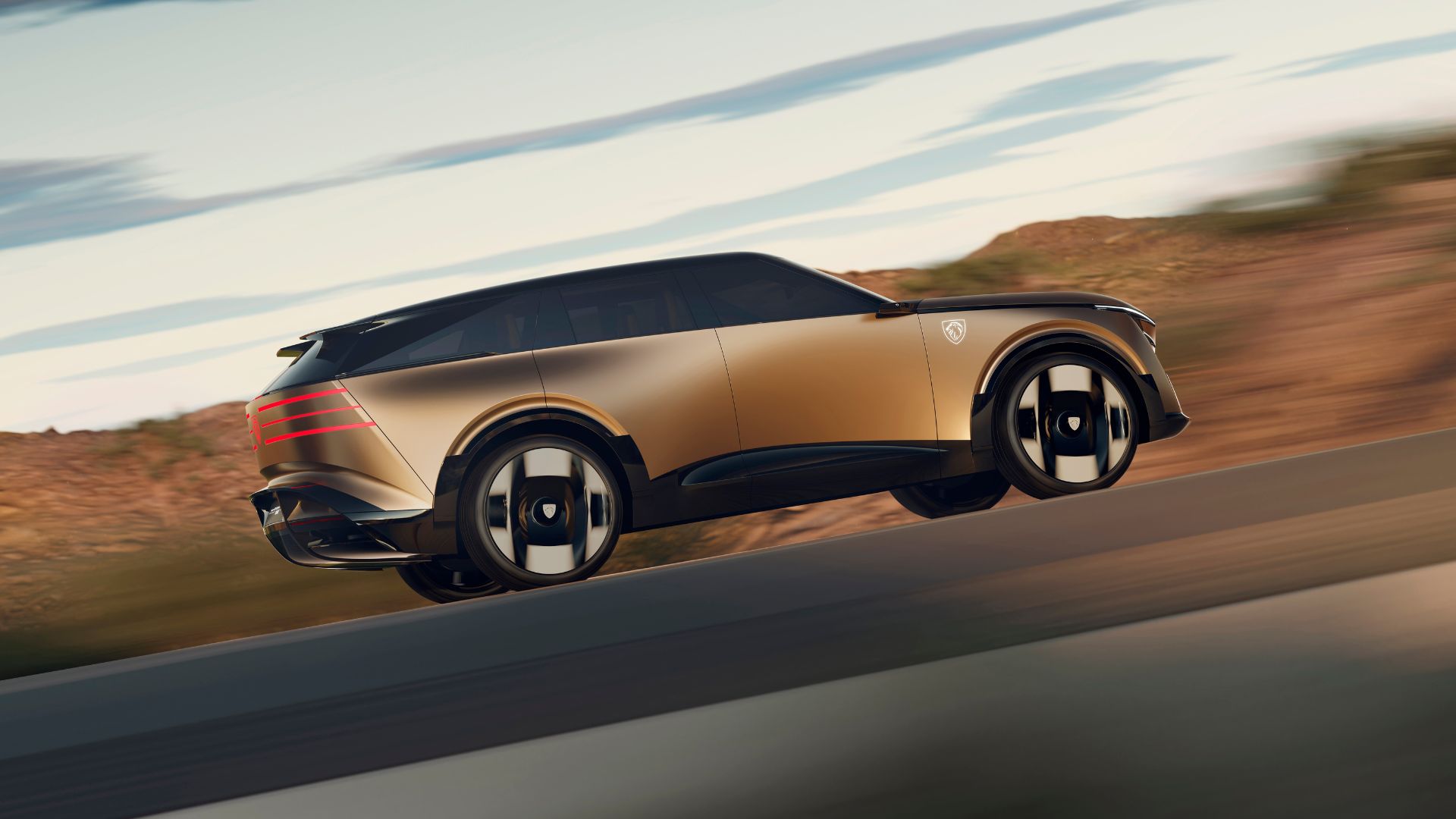
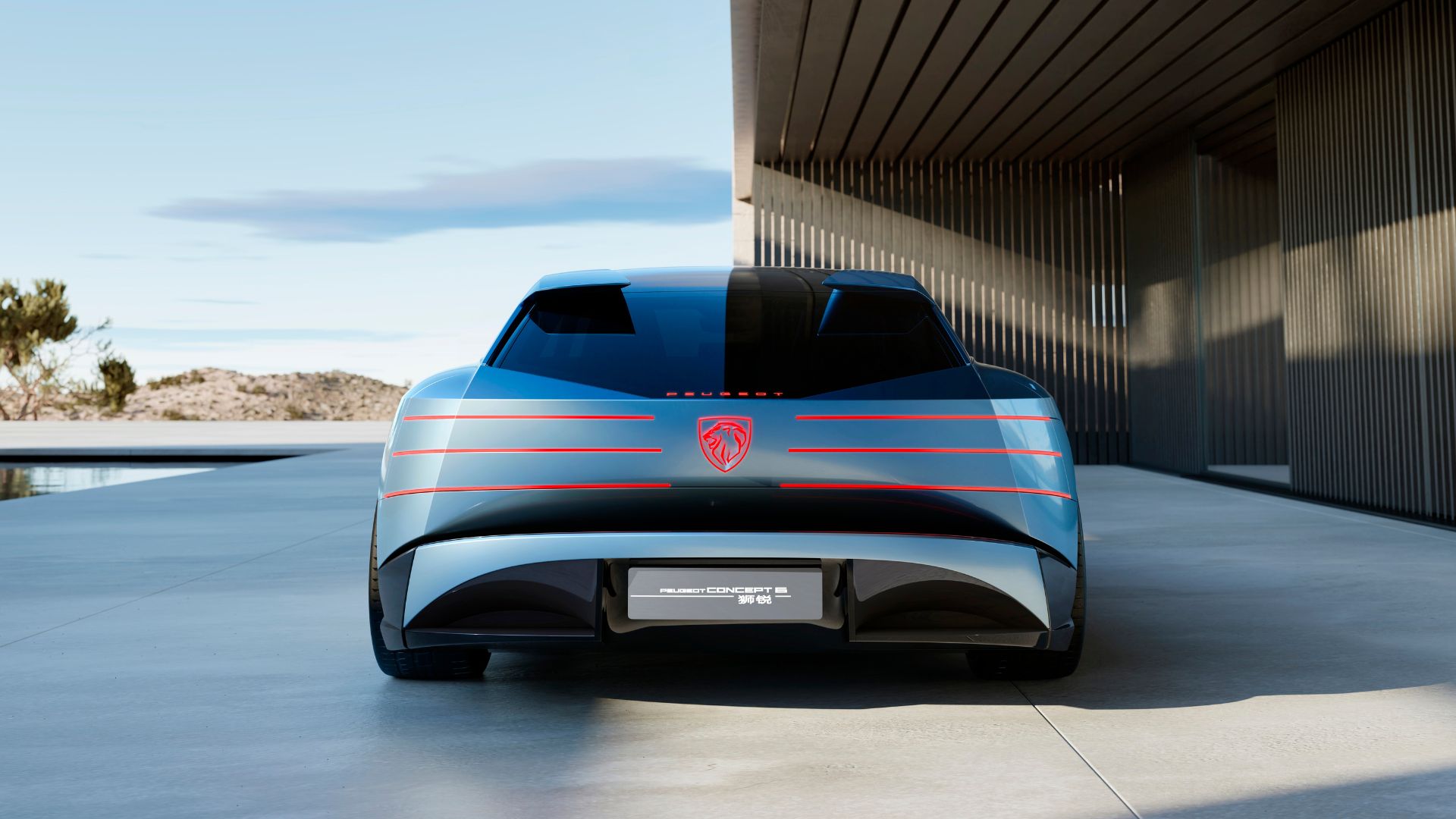
Interestingly, this uncertainty does not carry through to the rear. At the back, Peugeot finds a clearer voice. The horizontal light bars are precise, confident, and unmistakably part of the brand’s identity. They reinforce the width of the vehicle while providing a strong visual anchor that the front occasionally lacks. On the Concept 6, this works particularly well, as the lower stance allows the graphic to sit naturally within the form. The Concept 8, being taller, dilutes this effect slightly, but the overall execution remains composed.
What is evident here is that Peugeot is more certain about how its cars should end than how they should begin.
As the design moves into its finer details, the tension between intention and execution becomes more visible. The wheels, for instance, are clearly shaped by aerodynamic priorities. Their flat, controlled surfaces suggest efficiency and technical purpose. However, in visual terms, they lack the intricacy and sculptural quality needed to complement the rest of the design. On vehicles where the bodywork is intentionally restrained, the wheels become one of the few opportunities to introduce contrast and detail. Here, they feel more like a compromise than a statement.
The Missing Interior and the Incomplete Story
Perhaps the most interesting aspect of these concepts is not found in what is presented, but in what is absent. Peugeot has, in recent years, developed a strong interior identity through its i-Cockpit philosophy, focusing on driver-centric layouts and layered digital interfaces. Given that context, the lack of a clearly defined interior direction here feels less like a deliberate omission and more like an unfinished chapter.
The exterior suggests a move towards reduction and clarity, and one would expect the interior to reflect this through a more integrated relationship between digital and physical elements. Without that perspective, the concepts remain visually compelling, but experientially unresolved. The Concept 6 and Concept 8 are not about immediate impact. They are about intention, control, and a deliberate move away from excess. The Concept 6 stands out as the more compelling of the two, offering a refined interpretation of proportion and surface that feels genuinely progressive. The Concept 8, while well executed, remains closer to convention, prioritising familiarity over exploration. Together, they signal a clear shift in Peugeot’s design philosophy. However, they also highlight the challenges of that direction. The move towards simplicity is evident, but the level of resolution required to make that simplicity distinctive has not yet been fully achieved.
What do you think?
