There was a time when a beautiful saloon could define a brand. A saloon is low, balanced, elegant, and shaped with enough restraint to make the eye work a little. That idea has been quietly disappearing. The car industry has become taller, heavier, and more screen-led. Electric cars are often judged by range, charging speed, software, battery chemistry, and the digital experience before anyone talks seriously about design and beauty. In that world, the Mazda EZ-6/6e winning the 2026 World Car Design of the Year is not just another award story; it is a small but meaningful reminder that proportion still matters.
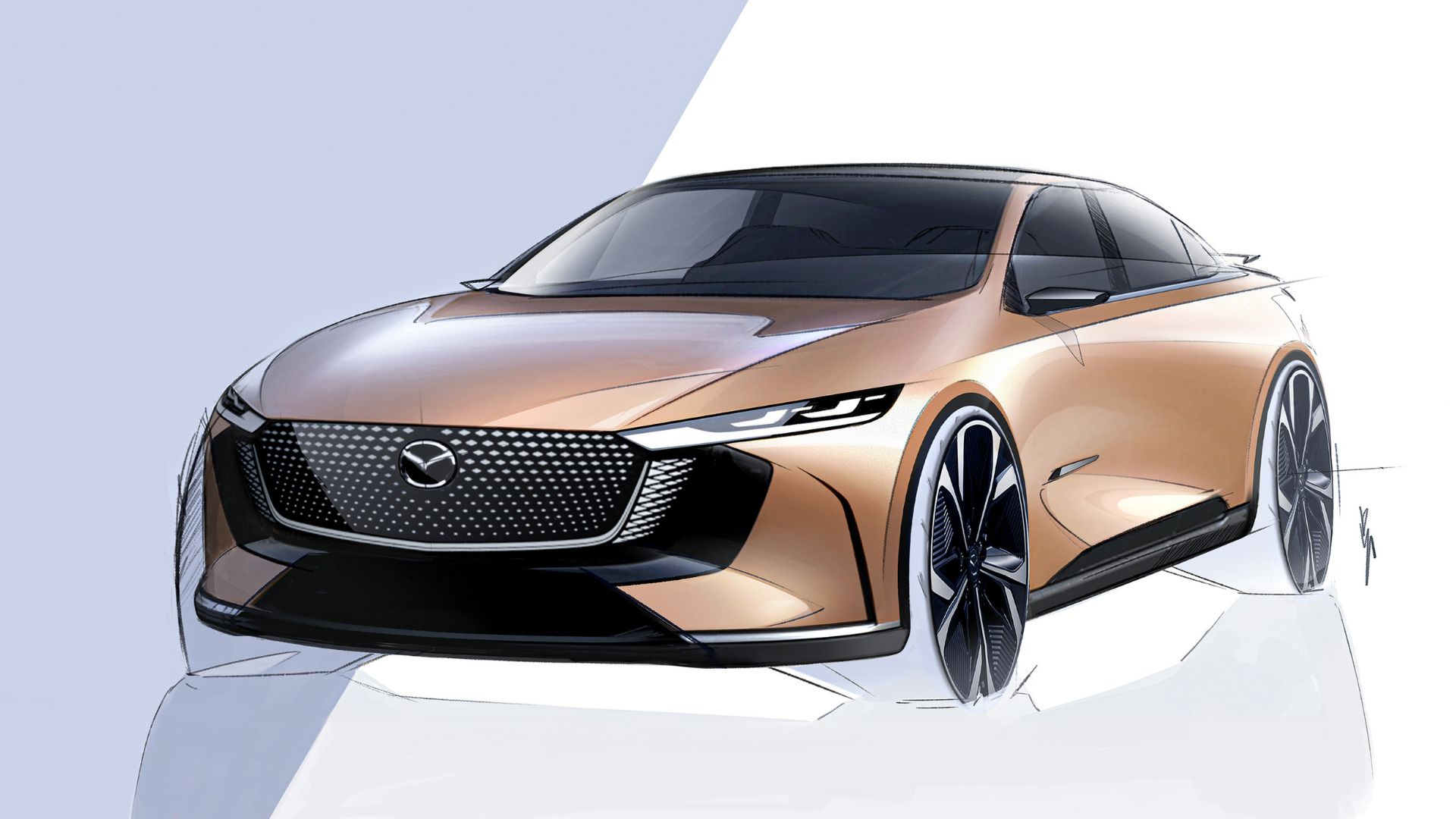
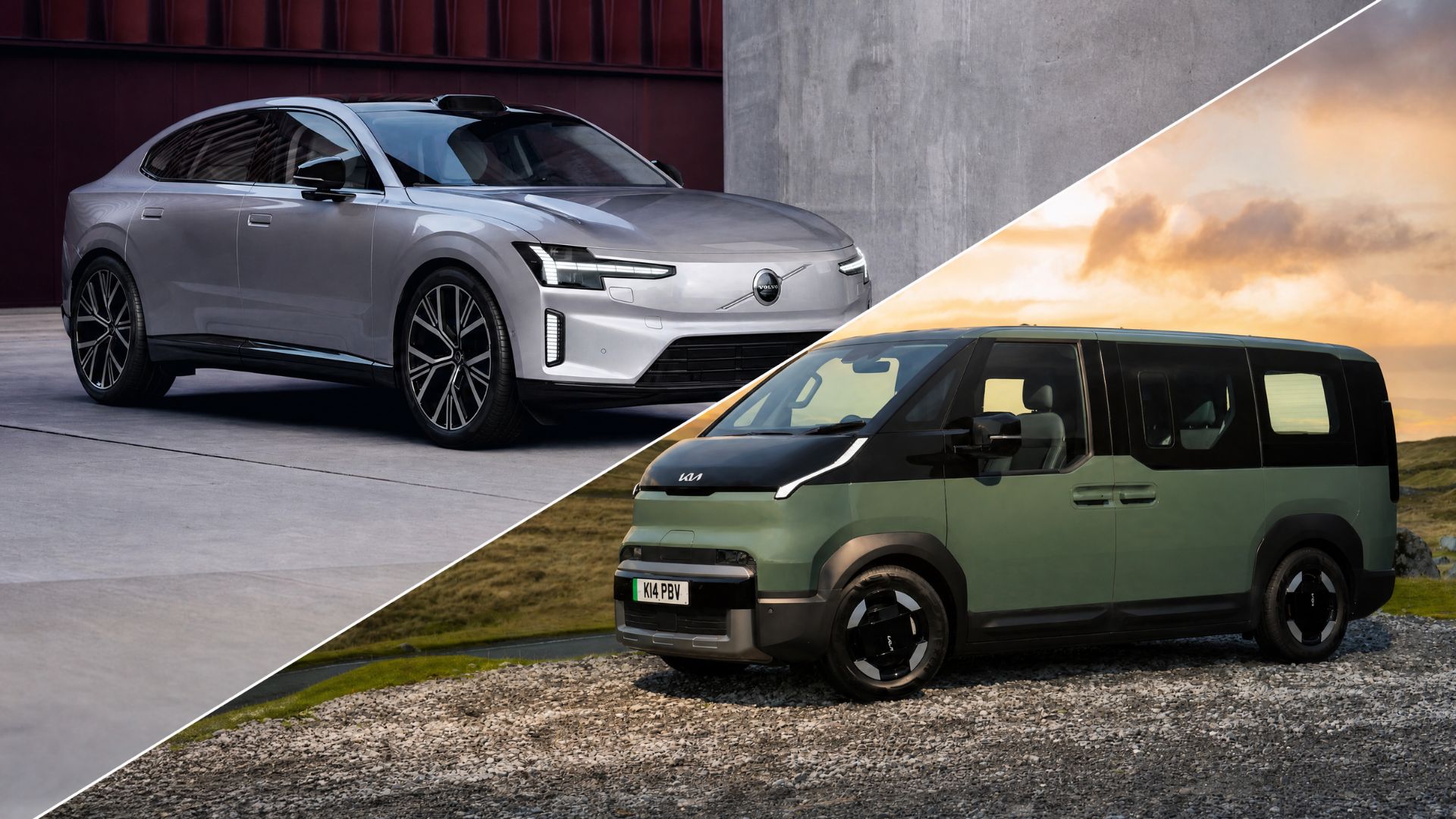
Mazda’s win was announced by the World Car Awards in New York on April 1, 2026. The Mazda EZ-6 / Mazda 6e was selected from 90 eligible models by 98 international automotive journalists, giving Mazda its third World Car Design of the Year victory after the MX-5 in 2016 and Mazda3 in 2020. That alone is impressive. But the more interesting part is what Mazda beat. The other Top Three finalists were the Kia PV5 and Volvo ES90. The Kia PV5 represents a more functional, modular, almost architectural future. The Volvo ES90 sits closer to the clean, premium-electric sedan space. Mazda won with something more traditional: a low, flowing, emotionally shaped sedan.
Design of Mazda EZ-6/6e is worth looking at!
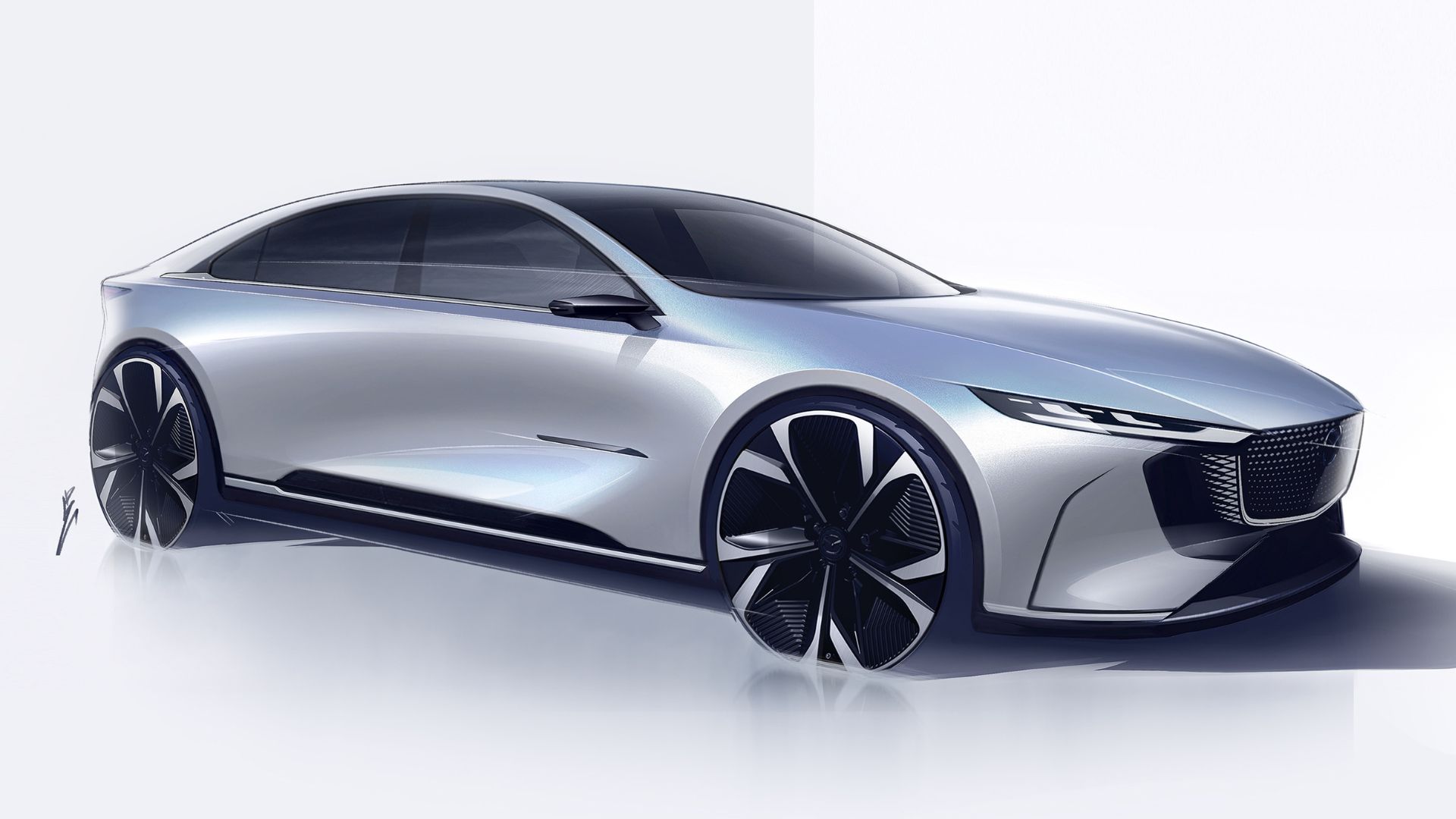
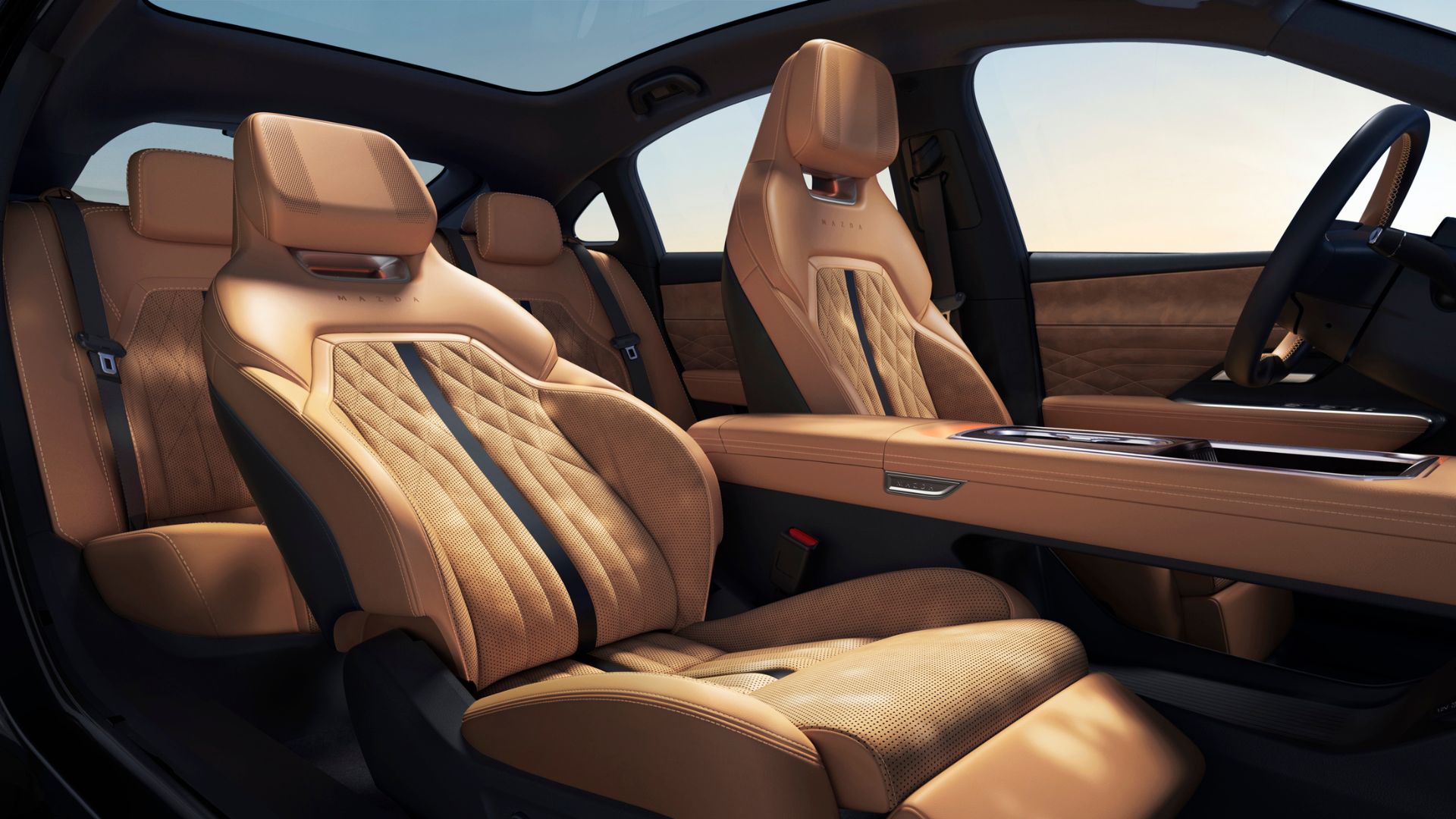
The Mazda 6e/EZ-6 is not a radical object, nor does it arrive with the shock value of a concept car. It refuses to reinvent the saloon through strange proportions, exaggerated lighting theatre, or aggressive surface drama. Instead, its power is decidedly quieter. It takes familiar Mazda values such as movement, surface tension, restraint, and human warmth and successfully translates them for the electric age. This sounds remarkably simple, but it is not. Today, many electric cars have become visually efficient yet emotionally flat; their faces reduced to mere lighting signatures, their bodies relentlessly smoothed for aerodynamics, and their interiors entirely subordinate to screens.
Their identities too often feel like interchangeable digital skins stretched over identical hardware. The 6e/EZ-6 pushes gently against this sterile trend. It does not need to shout. It simply reminds us that an EV can, and should, still be judged by its stance, its silhouette, and the way light dances across its body.
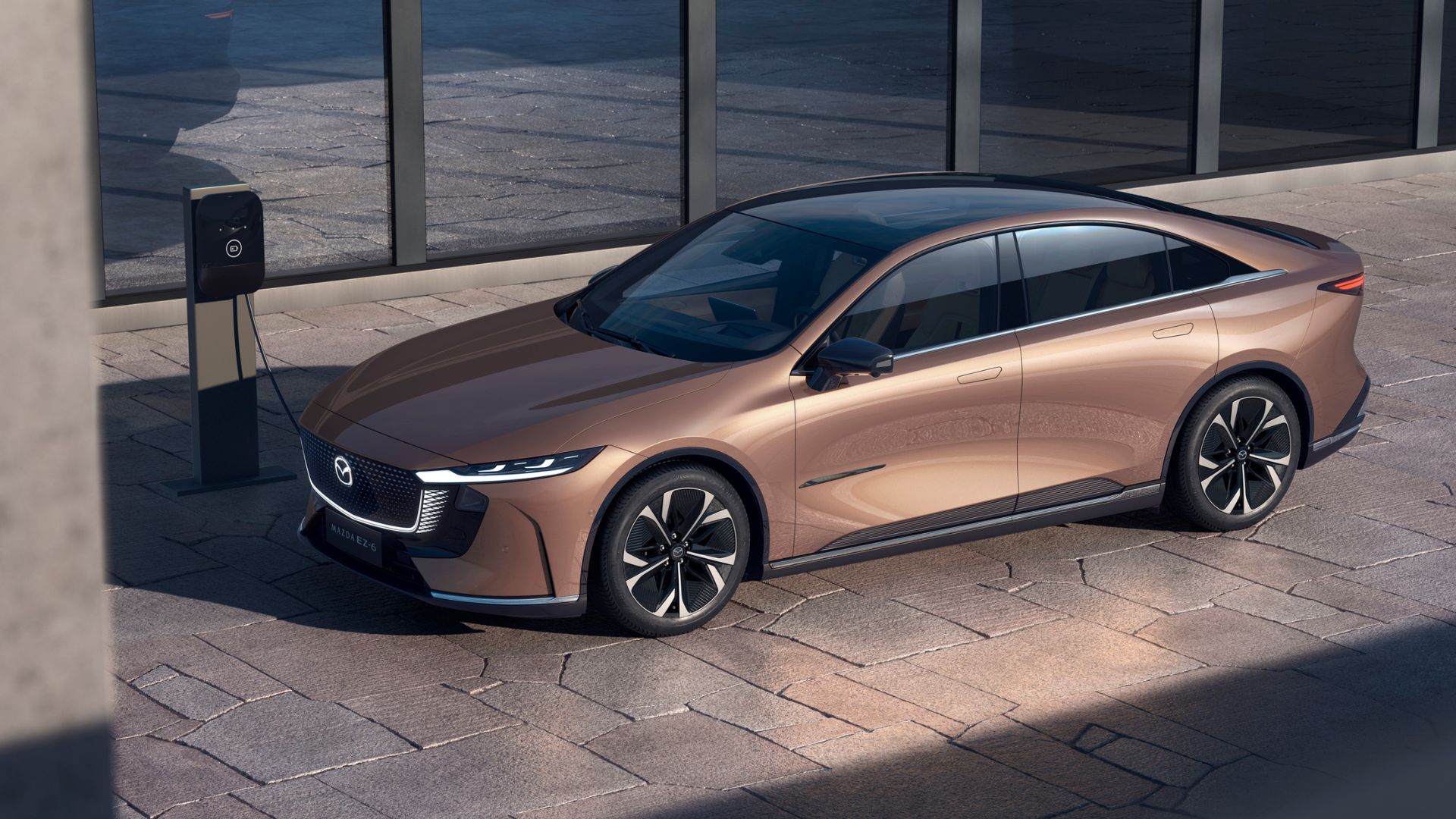
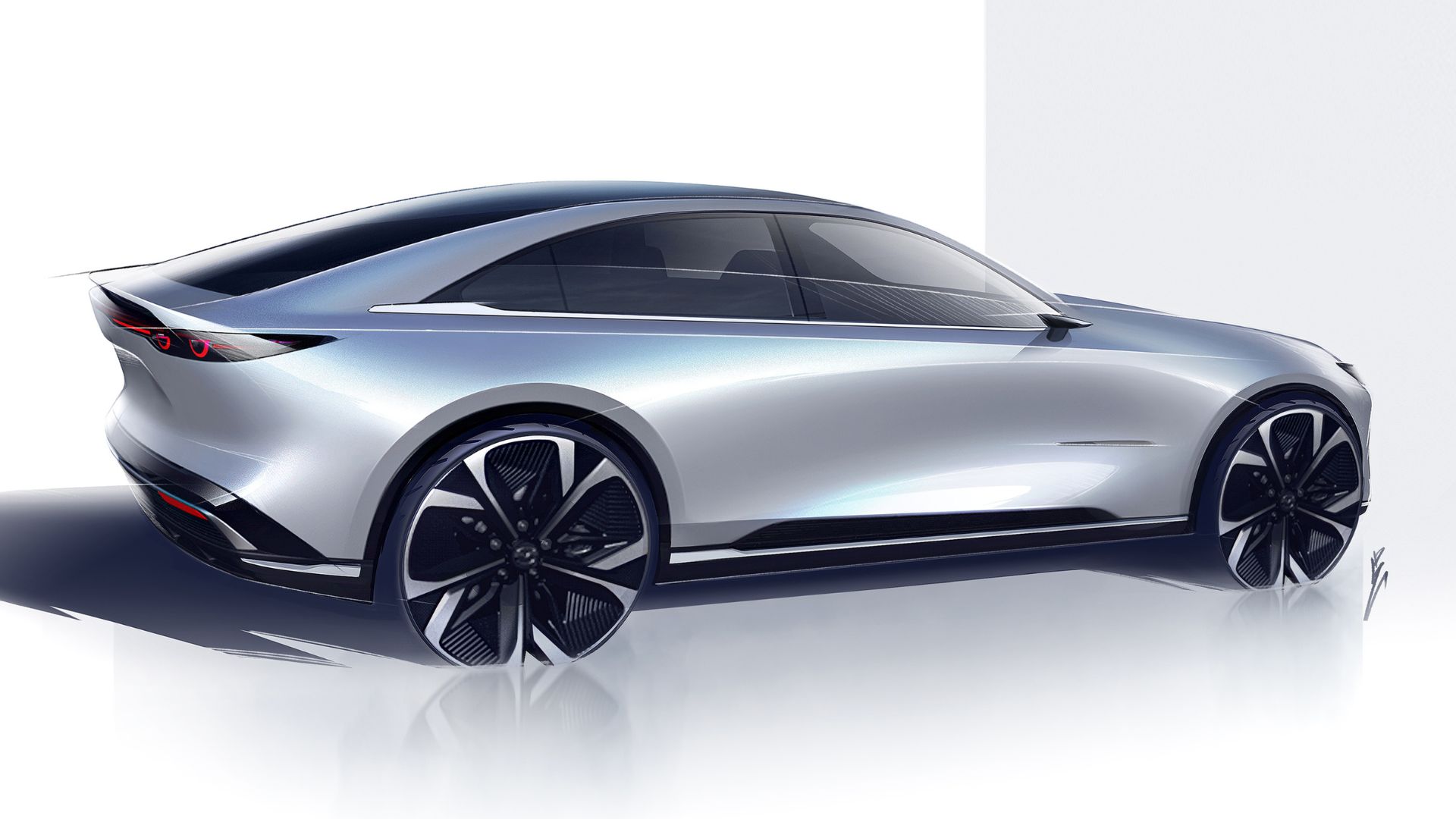
The side profile is arguably the car’s most successful angle. The roofline flows into the rear with the confidence of a fastback, giving the car a more premium and elongated presence than a conventional three-box saloon. The body side is calm but not lifeless. Mazda has always understood that surfacing does not need to be loud to be expressive. Here, the panels are not overloaded with creases or fake athletic gestures. The form depends on reflection, not decoration.
That is classic Mazda.
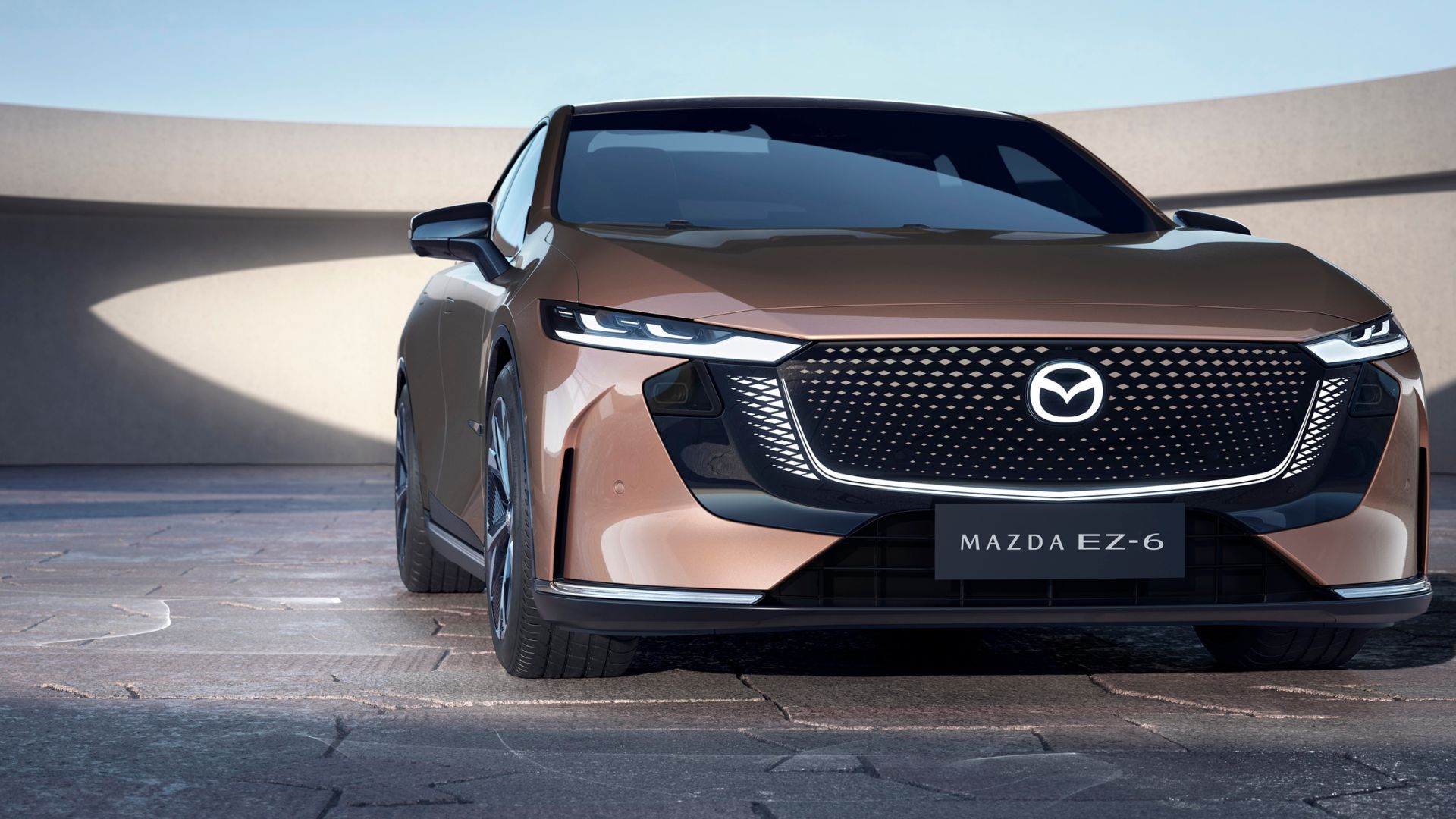
The front end is more complicated. Mazda had a difficult problem to solve: how to design an electric car that does not need a traditional grille, while still making it recognisable as a Mazda? The answer is a dark front graphic, an illuminated wing, and a face that still carries the memory of Mazda’s combustion-era identity. It works from a branding perspective, but it is also the car’s most debatable feature.
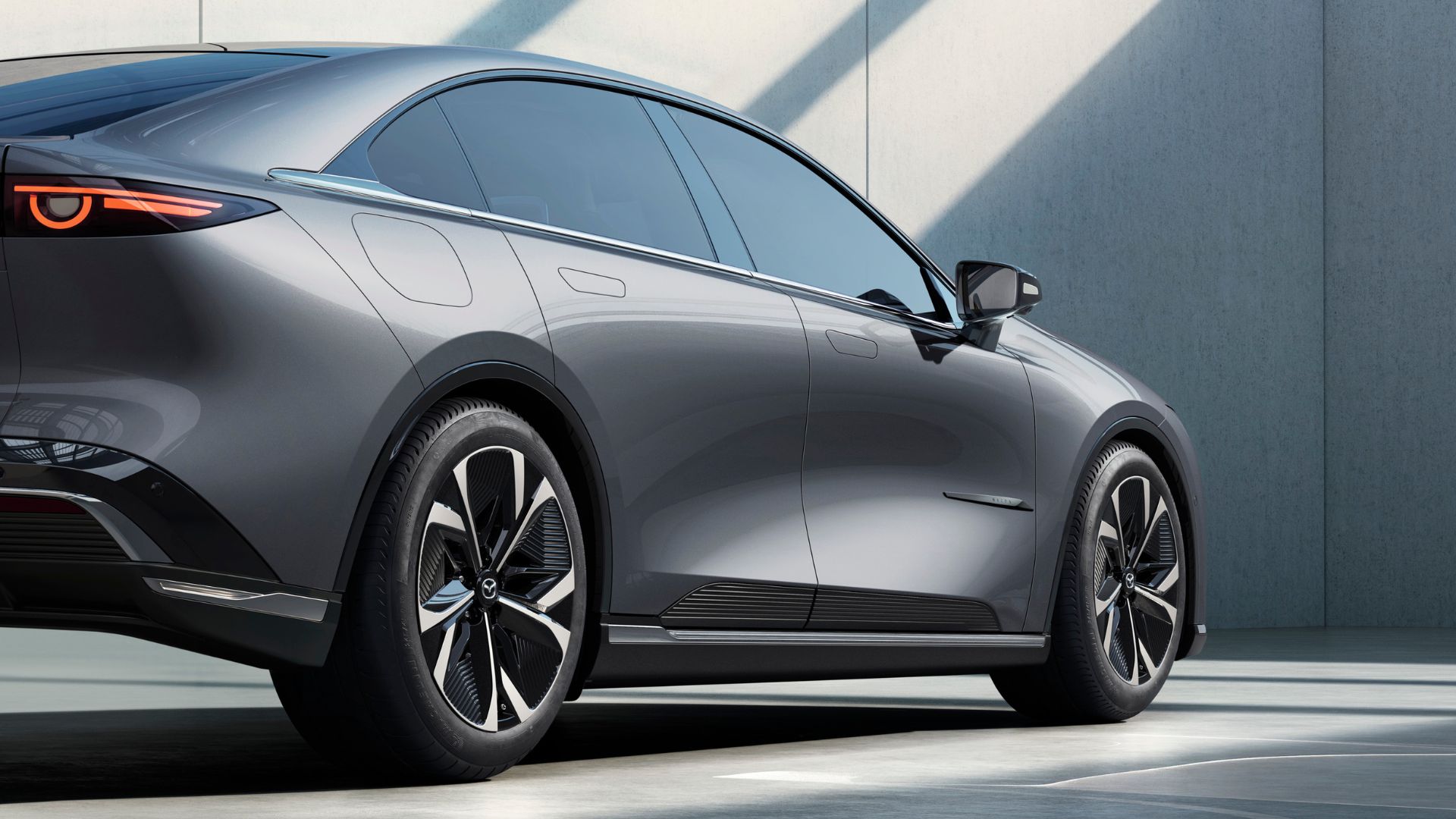
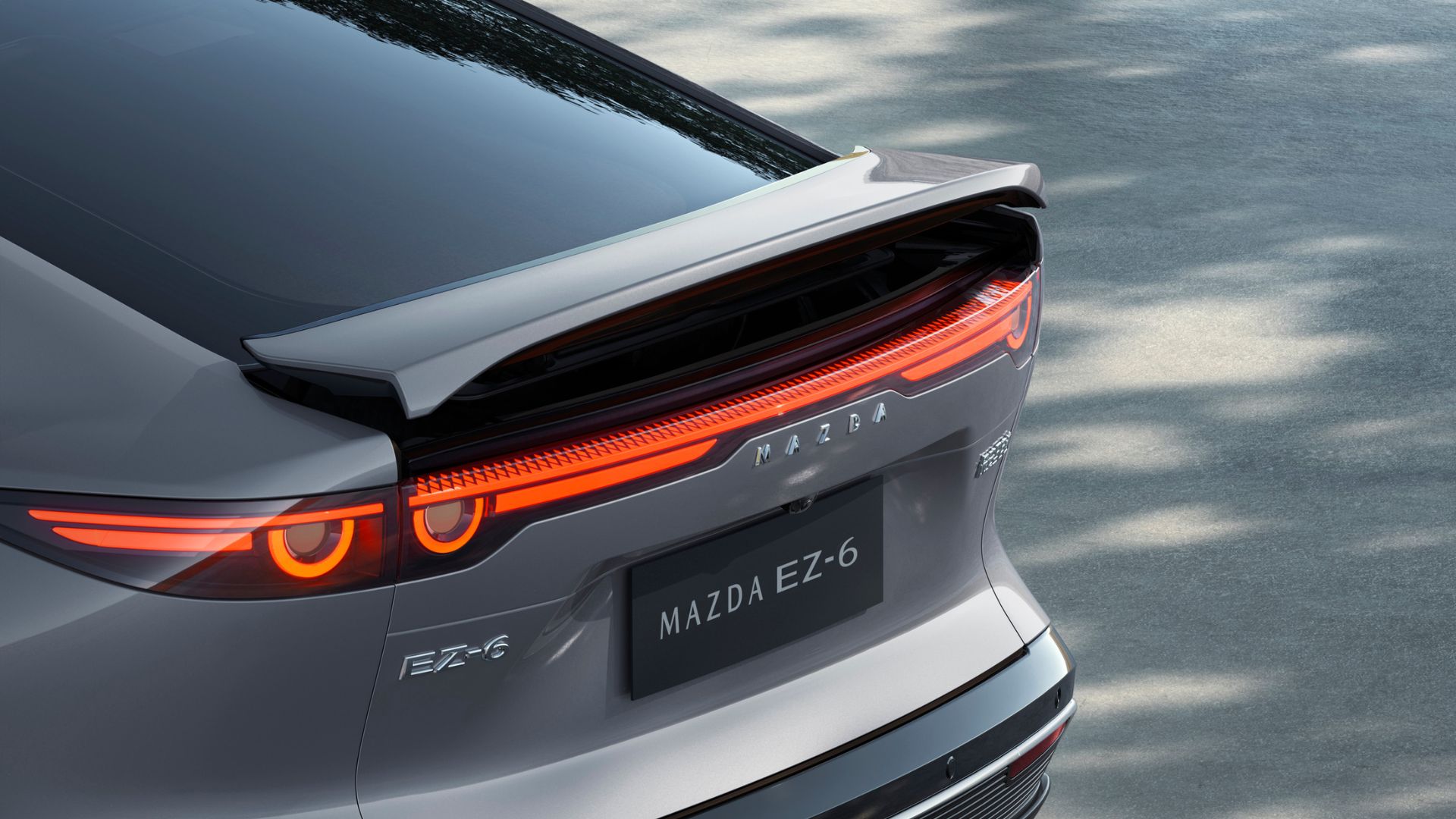
From some angles, the front gives the 6e/EZ-6 a strong visual identity. From others, it feels slightly caught between two eras. Mazda seems unwilling to fully erase the grille, but also unable to use it in the way it once did. The result is handsome, but not entirely resolved. It is not a design failure; it is more like a hesitation. The rear feels more confident. The full-width lighting gives the car modern visual width, while the round lamp elements preserve some Mazda character. It avoids the anonymous light-bar treatment that has become too common in EV design. There is also a better sense of calm at the rear; less tension between old and new, more confidence in the final graphic.
This is where the EZ-6/6e concept becomes interesting
The Mazda 6e/EZ-6 is beautiful, but it is not especially brave. It protects Mazda’s design language more than it pushes it forward. Compared with the Mazda3, which felt like a genuinely bold move in mainstream surfacing, the 6e/EZ-6 feels more cautious. It is elegant, well-judged, and emotionally warmer than many of its rivals, but it does not feel like a complete next chapter for Kodo design. That criticism matters because Mazda’s own design philosophy has never been about copy-paste identity. In an interview with Jo Stenuit - Design Director at Mazda Motor Europe, described Kodo as a guiding principle rather than a strict rulebook, explaining that Mazda avoids a copy-paste approach and constantly questions what Kodo means for each car.
Seen through that lens, the 6e/EZ-6 feels like a successful translation rather than a bold reinvention. It deeply understands Mazda’s design language and speaks it with absolute clarity, but it does not necessarily introduce any new vocabulary.
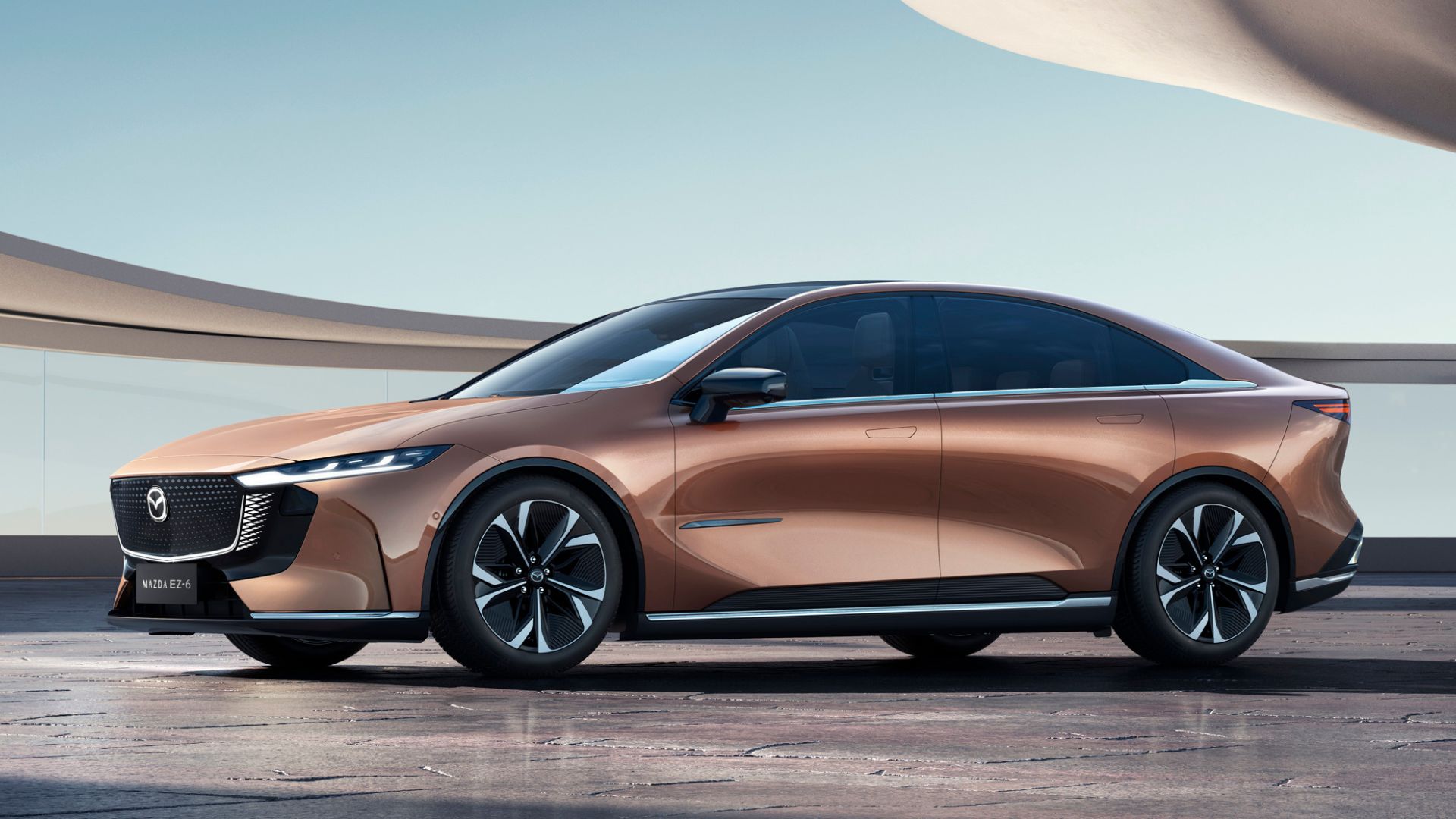
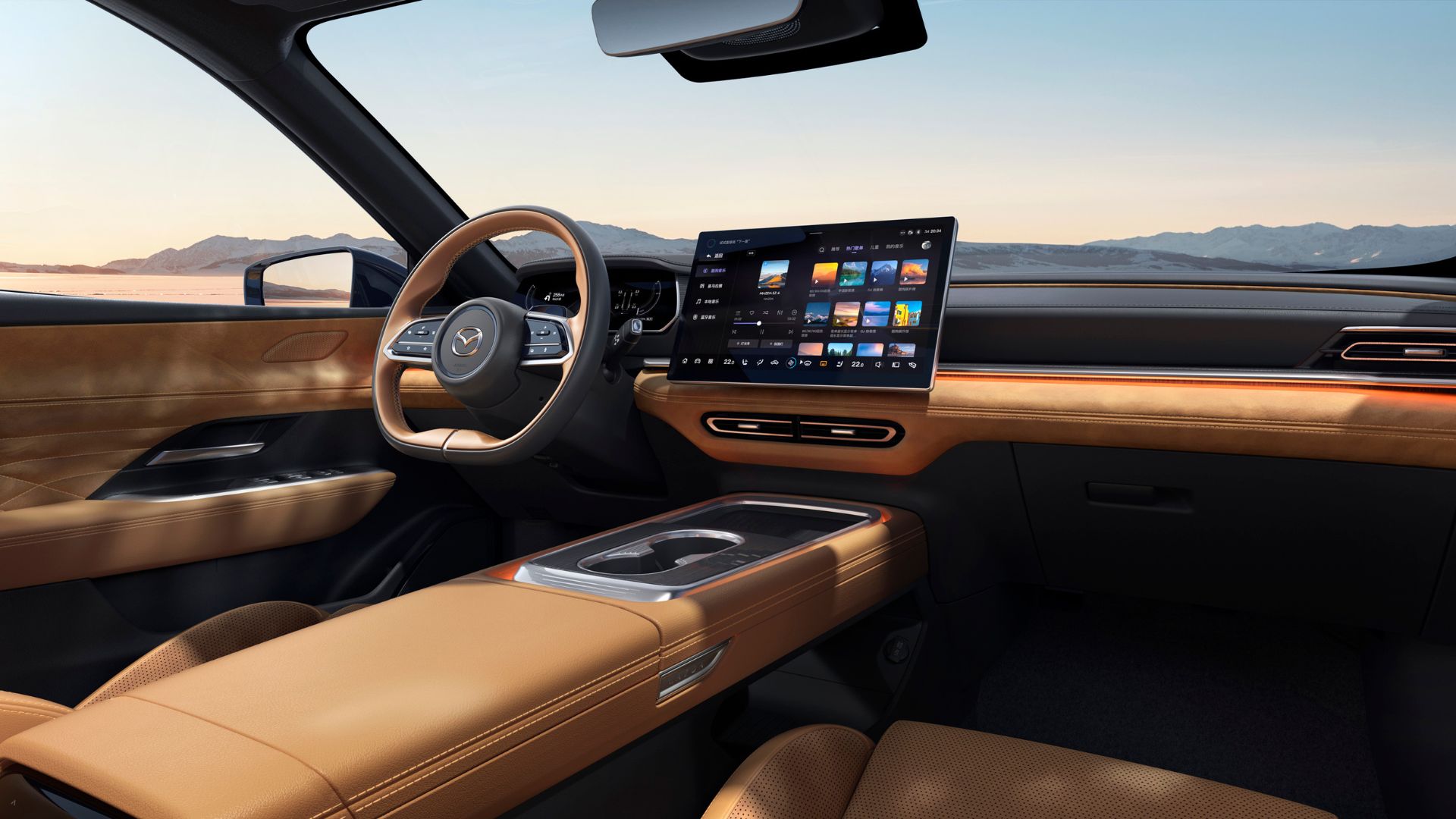
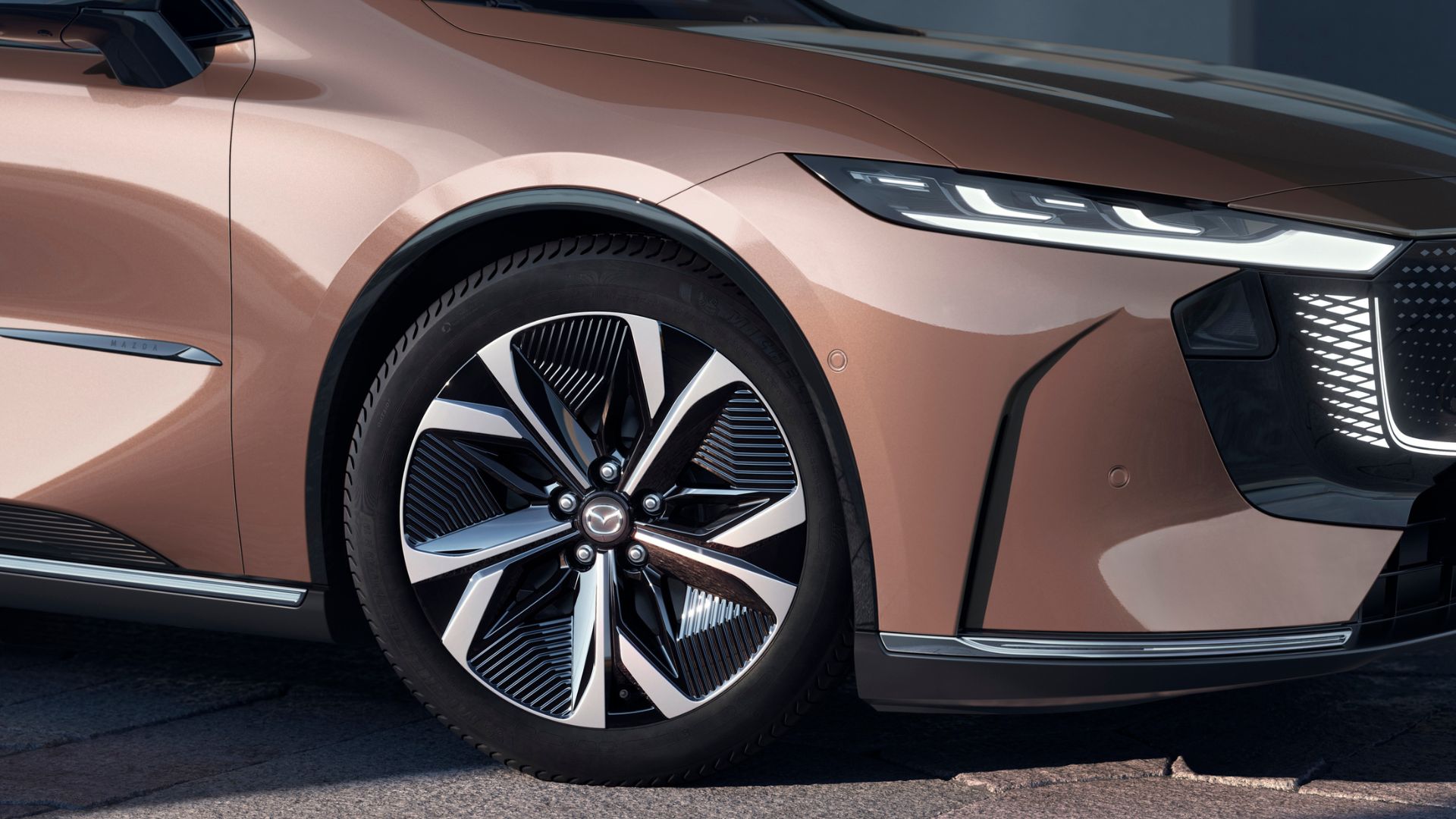
Mazda frames the car within its “Kodo - Soul of Motion” philosophy and “Authentic Modern” design theme, combining life-inspired forms with a more advanced character suited to electrification. The brand notes that the EZ-6 combines Mazda design and Jinba-ittai driving character with electric and smart technologies from its collaborative partner, Changan Automobile. The European 6e was then developed from the EZ-6 with further refinement for different markets. That background makes the World Car Design Award more complex. This is not a pure Mazda in the old romantic sense. It is a new Mazda identity filtered through partnership, platform sharing, regional strategy, and the speed of China’s EV ecosystem.
For some enthusiasts, that may make the car feel less authentic. There is a fair argument there. Mazda’s best cars have usually felt tightly connected across design, engineering, and driving character. The form, the controls, the weight and the response, everything came from the same philosophy. With the 6e/EZ-6, a modern reinterpretation of an iconic brand, the story is more layered. But that may be exactly why this award matters. The future of car design will not always come from isolated, clean-sheet brand development. More cars will be shaped through alliances, shared architectures, regional engineering bases, and fast-moving supply chains. In that environment, the real test is not whether a brand can design beautifully in perfect isolation. The real test is whether it can protect its identity inside a more complex industrial machine.
The Mazda 6e / EZ-6 suggests that Mazda can!
It may not be the purest Mazda ever made. It may not be the most daring expression of the brand’s design language. It may not fully answer whether Mazda’s electric future will have the same emotional clarity as its combustion-era best. But it proves that Mazda’s design philosophy still has enough strength to survive translation.
That is a far greater achievement than it first appears.
This matters because the EV market has a design problem. Too many electric cars are beginning to look interchangeable. Some chase futuristic minimalism until they become cold. Some chase aerodynamic smoothness until they become forgettable. Others rely so heavily on screens and lighting graphics that the basic body form feels secondary. The Mazda 6e/EZ-6 does not solve all of that. But it offers a useful counterpoint. It reminds the industry that beauty is not a luxury feature. It is not a surface treatment applied after the engineering is complete. In the best cars, design is the first emotional argument. It is what makes someone care before they have read the range figure, opened the door, or watched a charging animation on a screen.
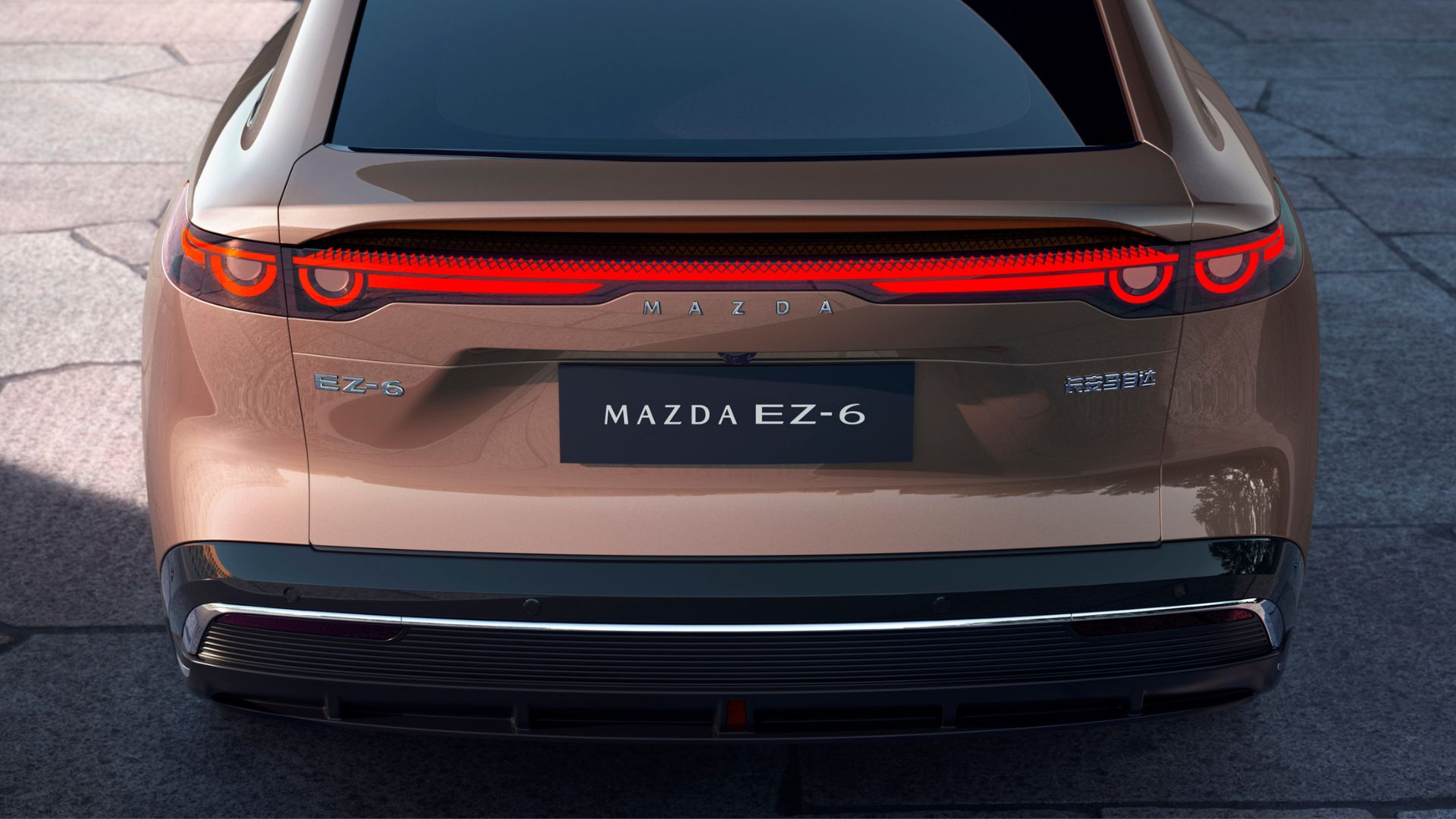
The Mazda 6e/EZ-6 winning the World Car Design of the Year is not simply a trophy for Mazda. It is a vote for the continued relevance of the saloon. It is a defence of emotional design in an increasingly technical EV market. And it is a signal that even in an age of platforms, partnerships, and pixels, a car can still win because it looks like someone cared about its soul.
